Feeding the Ex-Racehorse: Maintaining Optimum Body Condition

February 4, 2026
Feeding the Ex-Racehorse

Regularly monitoring your ex-racehorse's weight and condition is crucial to managing weight and maintaining a healthy body condition.

There are several ways to assess your horse’s weight including using a weighbridge, body condition scoring and using a weigh tape.

Being overweight or underweight can have negative effects to the horse’s overall health, for example if they are too fat, the risk of metabolic disease and laminitis is increased, as well as putting excessive strain on cardiovascular and musculoskeletal systems. If they are too thin, they will have limited energy reserves, will prematurely fatigue and take longer to recover.

BODY CONDITION SCORING

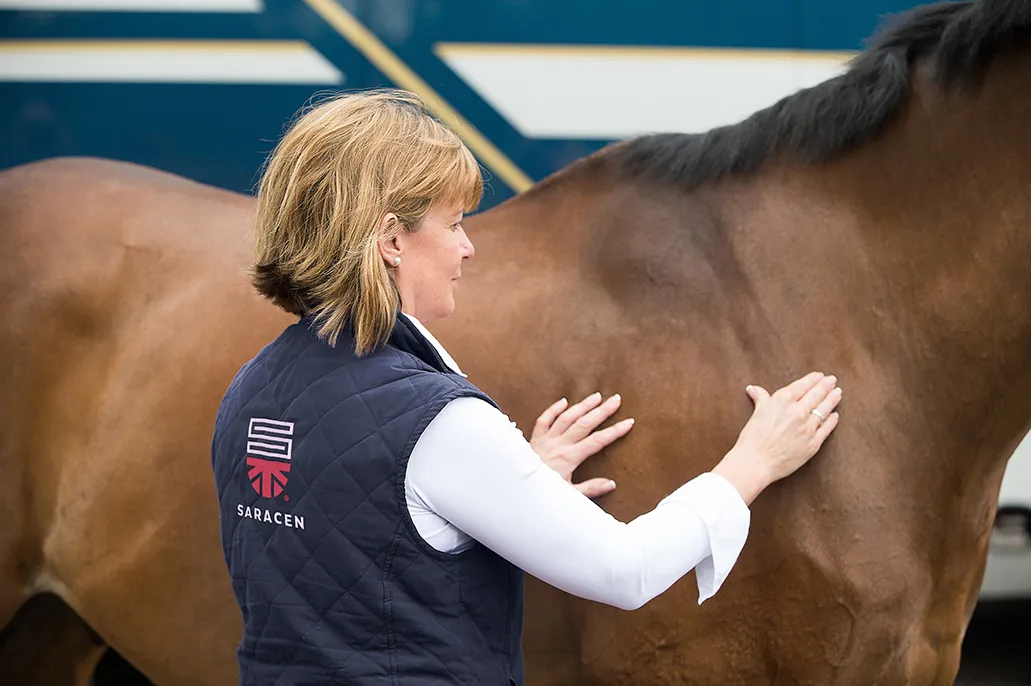
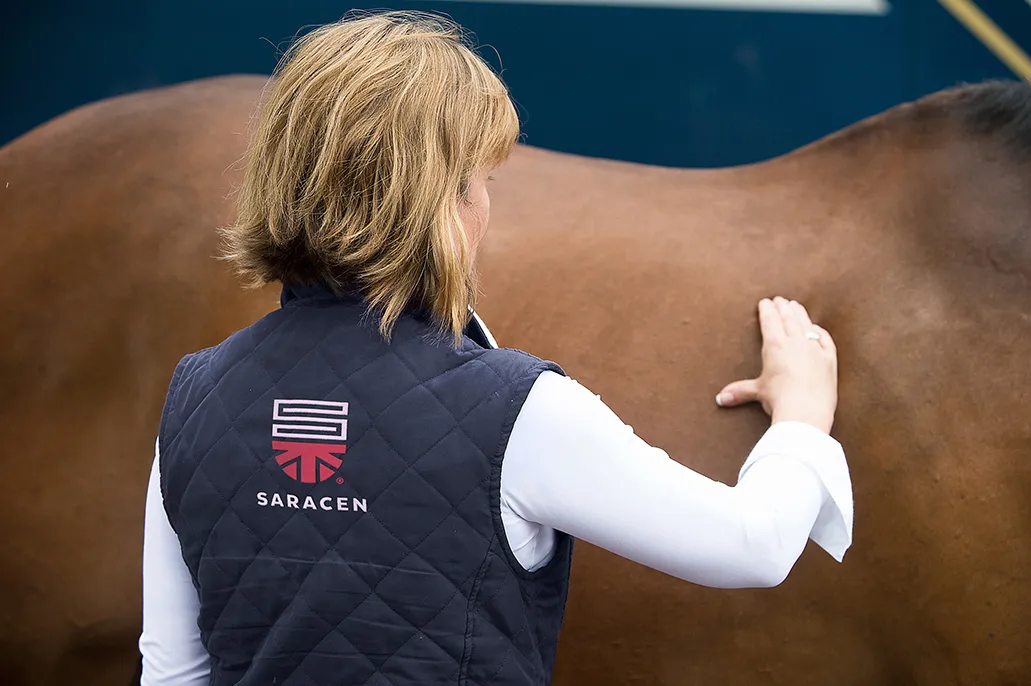
Body Condition Scoring (BCS) is a method of assessing your horse's body fat coverage and should form part of your routine management plan. With practice, condition scoring is an accurate way of ensuring that your ex-racehorse does not gain or lose too much body condition and shows results far more quickly than by the eye alone. This enables you to make any dietary adjustments before a problem has occurred. We recommend that condition scoring is carried out on a fortnightly basis in conjunction with weight taping.


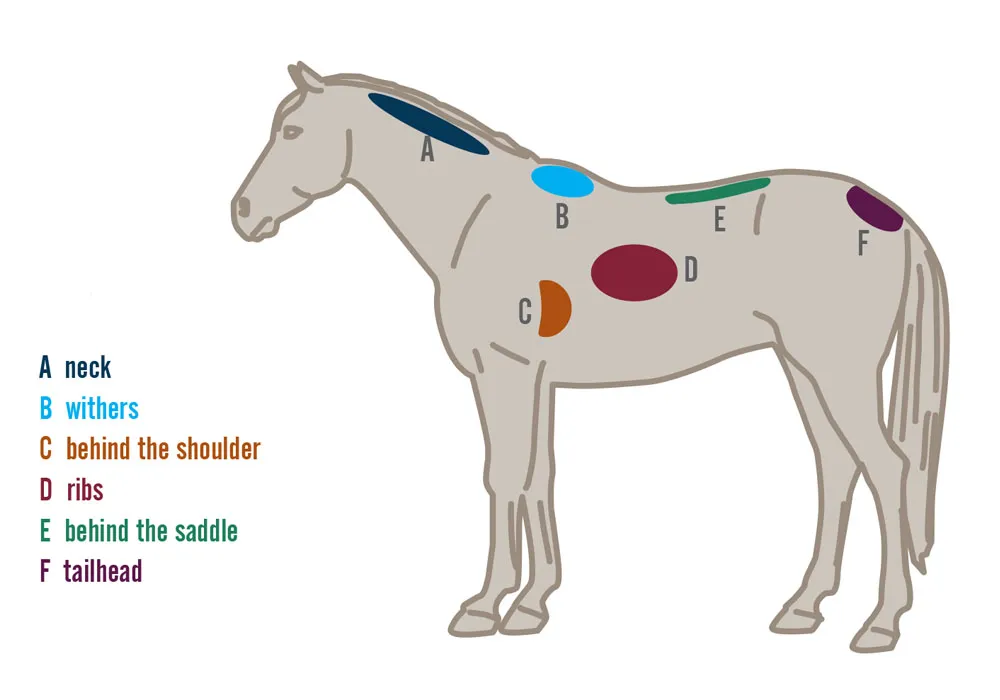
STEP ONE: Feel along the top of your horse's neck and down to where the withers join the shoulders
STEP TWO: Run your hands down both sides of the withers and continue along the back, feeling for the spinous processes or fat on either side of the backbone

STEP THREE: Feel the quarters and trailhead for projecting bones or fat deposits
STEP FOUR: Run your hand down the neck and over the shoulder feeling for any fatty deposits, particularly behind the shoulder blade

STEP FIVE: Press firmly around the ribcage to assess the fat coverage over the ribs
We would recommended weight taping in conjunction.

We are often asked ‘what is the optimum body condition score for my horse to be in?’ This can depend upon several factors, such as the type of work and health status of the individual horse. So as a general rule of thumb, the aim is to have a horse in the region of a BCS of 5 or 5.5. If you are unsure about how to BCS and what is the ideal body condition score for your horse or pony, please contact us for advice.

Need Guidance?

If you would like any further information on feeding your horse or pony please feel free to contact our nutritional team on +44 (0)1622 718 487, email info@saracenhorsefeeds.co.uk or fill out our Feed Advice Form.

Related articles

Feeding the Ex-Racehorse

Feeding the Ex-Racehorse: Feeding for Weight Gain

In order to put condition on a horse, you need to increase his intake of digestible energy.

Feeding the Ex-Racehorse: Feeding for Weight Maintenance
Feeding the Ex-Racehorse

Feeding the Ex-Racehorse: Feeding for Weight Maintenance

The main error that many owners make when feeding a horse fresh out of training is to place them on a horse and pony mix or cube simply because it is low in energy.

Feeding the Ex-Racehorse with Gastric Ulcers
Feeding the Ex-Racehorse

Feeding the Ex-Racehorse with Gastric Ulcers

Due to a lower forage intake and high workload during training, many racehorses may suffer from gastric ulcers at some stage of their life.

Feeding the Ex-Racehorse: Top Tips
Feeding the Ex-Racehorse

Feeding the Ex-Racehorse: Top Tips

Find our nutritional teams top tips for feeding your ex-racehorse.

Feeding the Ex-Racehorse: the Importance of Forage
Feeding the Ex-Racehorse

Feeding the Ex-Racehorse: the Importance of Forage

The diet of a racehorse is much lower in forage than leisure and competition horses, and they may not have been turned out to grass for many months.

Feeding the Ex-Racehorse: Improving Hoof Quality
Feeding the Ex-Racehorse

Feeding the Ex-Racehorse: Improving Hoof Quality

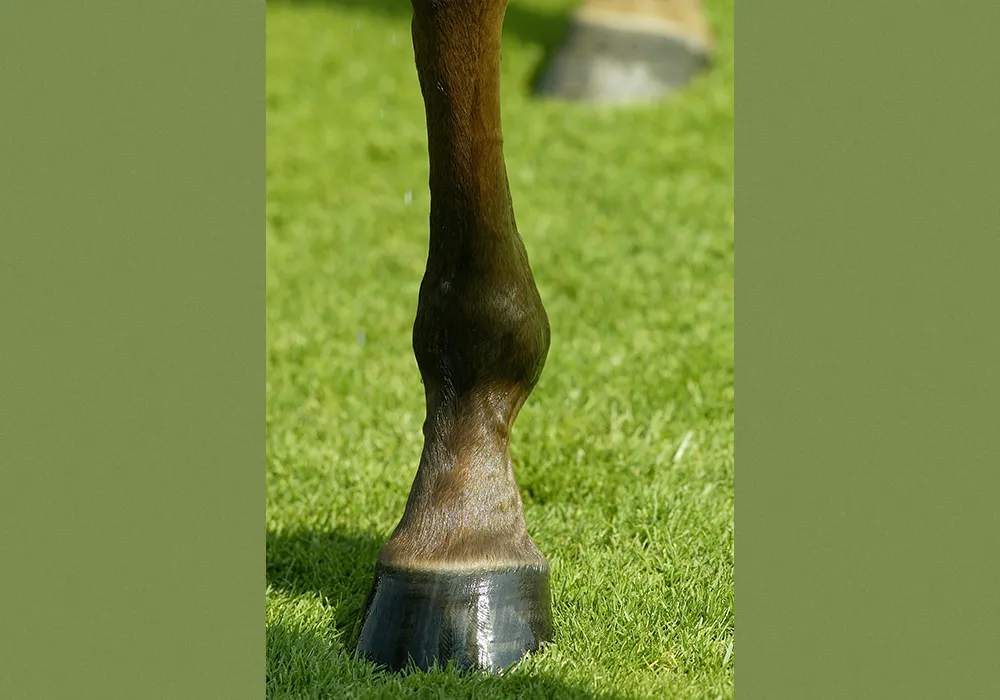
Providing a balanced diet or feeding a balancer that contains a healthy hoof package will ensure that the hooves are provided with all the essential nutrients that they require to grow.

Previous
Next