Feeding the Veteran Horse
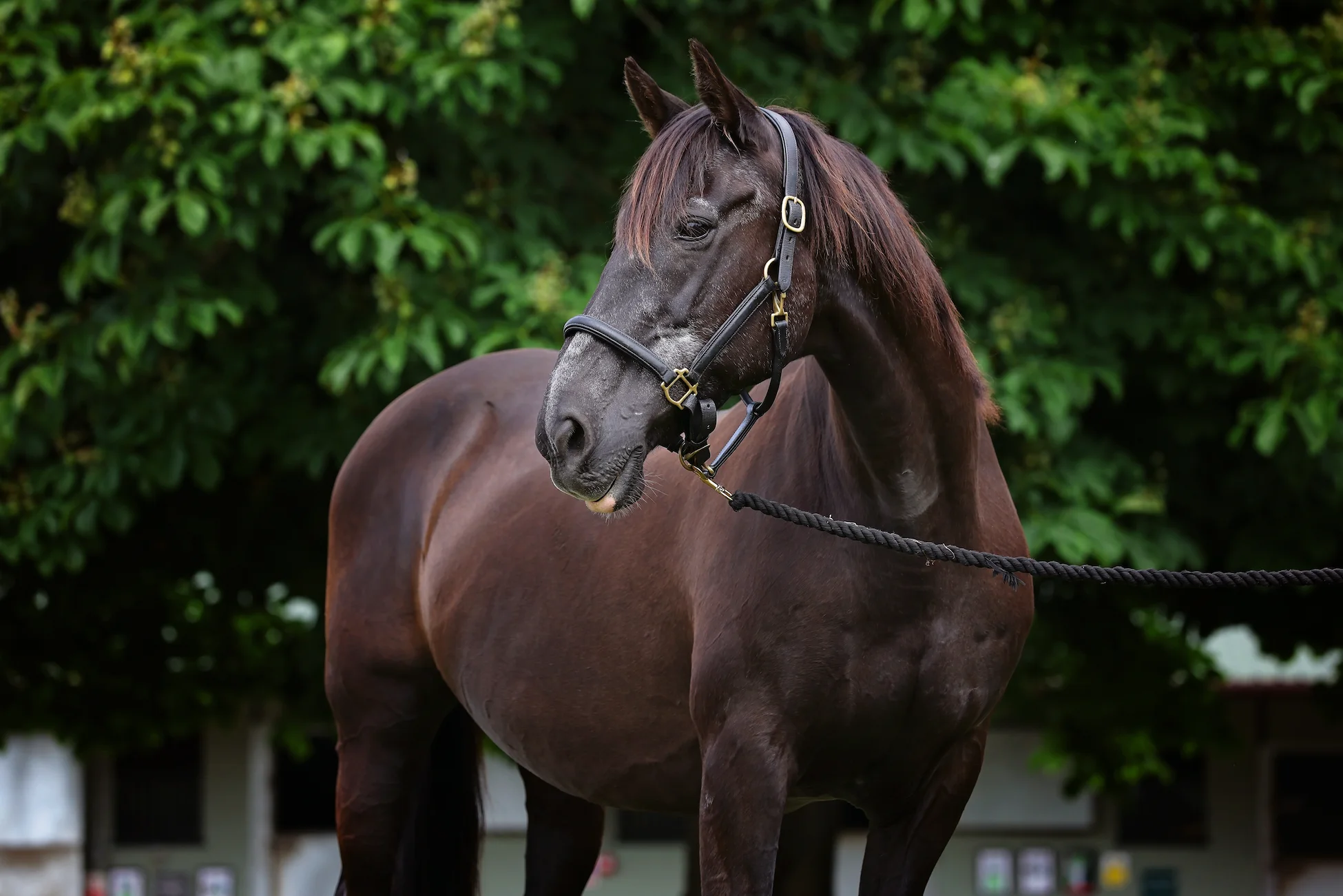
Horses are living longer than ever before, so feeding the veteran horse has become an increasingly important part of equine management. In fact, veteran horses, classified as horses over the age of 15, now make up around 40% of the UK horse population, compared with estimates of just 20–25% over two decades ago. With the right nutrition and management, many veteran horses continue to enjoy an excellent quality of life, whether they're competing, hacking or enjoying retirement.
Is My Horse a Veteran?
Age is only one part of the picture. A healthy 22-year-old may require very few dietary changes, while a 16-year-old with dental disease or a metabolic condition may benefit from additional nutritional support.
Rather than focusing solely on age, consider your horse's overall wellbeing when selecting a suitable feed. Signs that nutritional requirements may be changing include:
- Difficulty maintaining weight or muscle
- Dental problems or dropping partially chewed feed (quidding)
- Reduce appetite
- Dull coat
- Reduced performance or stamina
- Stiffness or changes in mobility
- Diagnosed conditions such as PPID (Cushing's disease) or Equine Metabolic Syndrome (EMS)
Fibre Remains the Foundation
Regardless of age, fibre should remain the basis of every horse's diet. A minimum daily forage intake of 1.5% of bodyweight (dry matter basis) is recommended to support digestive health and normal gut function (NRC, 2007).
However, as horses age chewing efficiency often declines. Worn or missing teeth, periodontal disease and reduced chewing can result in larger pieces of forage entering the gastrointestinal tract without being thoroughly broken down, and less saliva being produced during eating. Saliva plays an important role in buffering stomach acid, so reduced chewing can both reduce efficiency of fibre digestion and may increase the risk of gastric irritation.
If you notice quidding, unexplained weight loss, longer eating times or reduced appetite, arranging a dental examination should be one of the first steps.
Choosing feeds that are highly digestible and easy to chew can help maintain calorie intake without placing unnecessary strain on the digestive system. A soaked mash, such as Veteran Mash, provides easily consumed fibre alongside probiotic live yeast to support fibre digestion.
When Forage Becomes Difficult to Eat
Although forage should always be prioritised, some older horses simply struggle to consume enough long-stem forage to maintain weight.
Poorly chewed forage also increases the risk of impaction colic, as larger fibre particles move more slowly through the digestive tract. Fortunately, a variety of forage replacers are available to provide an excellent alternative when needed.
Highly digestible fibre sources such as sugar beet pulp can be soaked into a soft mash, supplying readily fermentable fibre that supports the hindgut microbiome while also contributing to daily water intake. Increasing water consumption through soaked feeds can be particularly beneficial for veteran horses, helping to support hydration and reduce the risk of impaction colic. A recent study conducted by Kentucky Equine Research has also demonstrated that beet pulp extends chew time compared to a fibre pellet, helping to extend saliva production and the natural buffering effect (Fowler et al., 2025). Therefore, beet pulp is useful to include as part of your horse’s forage replacement diet.
To provide the digestive tract with a variety of fibre sources, Saracen Super Fibre Cubes can also be fed soaked as a partial forage replacer, replacing up to 50% of the long-stem forage ration where appropriate. As they are high in digestible fibre, low in starch and sugar, and fully fortified with vitamins, minerals and essential amino acids, they provide a practical option for older horses struggling with forage intake.
Supporting Muscle and Body Condition
One of the most noticeable changes in ageing horses is the gradual loss of muscle, particularly over the topline. This age-related muscle loss, known as sarcopenia, occurs partly because older horses become less efficient at utilising dietary protein, but can also be related to reduced workload.
While overall protein requirements change relatively little with age, the quality of protein becomes increasingly important. Diets containing highly digestible protein with adequate levels of essential amino acids, particularly lysine, methionine and threonine, help support muscle maintenance and repair. Alongside appropriate exercise, ensuring sufficient calorie intake and providing high-quality protein can help older horses maintain strength, topline and overall condition.
Regular body condition scoring is also an important management tool. Both obesity and being underweight increase the risk of health problems. Carrying excess weight places greater mechanical stress on joints and feet, increasing the risk of conditions such as osteoarthritis and laminitis, while horses that become too lean have fewer energy reserves and may struggle to maintain muscle mass. Monitoring body condition throughout the year allows gradual changes to be identified before they become significant. Click here to learn how to monitor your horse’s body fat score.
Managing Metabolic Conditions
Older horses are more likely to develop endocrine disorders such as Pituitary Pars Intermedia Dysfunction (PPID or Cushing's disease) and Equine Metabolic Syndrome (EMS). PPID is estimated to affect around one in five horses over 15 years of age, making it one of the most common age-related diseases. These conditions often alter the horse's insulin regulation, increasing the risk of laminitis. Nutritional management therefore plays an important role alongside veterinary treatment.
A diet based on forage and highly digestible, low starch and low sugar feeds helps reduce the glycaemic response after feeding while still providing sufficient nutrients to maintain condition. For horses requiring additional vitamins and minerals without unnecessary calories, a low-calorie balancer can provide concentrated nutrition while keeping starch and sugar intake low.
Saracen Veteran Balancer has been formulated with these horses in mind, using a unique plant-based coating to replace traditional molasses, allowing for a highly palatable, low glycaemic formulation.
Helping Veteran Horses Thrive
Growing older doesn't always mean slowing down. Thanks to advances in nutrition, veterinary care and management, many veteran horses continue to be ridden, compete and enjoy active lives well into their twenties. Using feeds such as the Veteran Mix allows for a slow release of non-heating energy, whilst providing quality protein and all key vitamins and minerals for health and longevity.
The key is to feed the horse infront of you rather than the year on their passport. By prioritising fibre, providing highly digestible sources of energy, ensuring adequate high-quality protein, supporting dental health and managing any underlying medical conditions, older horses can continue to thrive for many years.
Whether your horse is still competing or enjoying a well-earned retirement, regular body condition scoring, routine dental care and a balanced diet tailored to their individual needs will help them stay healthy, comfortable and active throughout their senior years.
References
Fowler, A.L., C. Guinard, N.A. Imbeault, V.L. Erwin, I.N. Grayston, P. Sweetman, M. Winchester, and J.D. Pagan. 2025. Chewing requirements and glycemic response of fibrous feedstuffs. Journal of Equine Veterinary Science 148:105541.
National Research Council (2007). Nutrient Requirements of Horses (6th Revised Edition). National Academies Press.
Need Guidance?
If you would like any further information on feeding your horse or pony please feel free to contact our nutritional team on +44 (0)1622 718 487, email info@saracenhorsefeeds.co.uk or fill out our Feed Advice Form.