Learn How To Use A Horse Weight Tape
Weight tapes can be a very useful tool to help you manage your horse’s weight. People are often put off by the fact that even the best tapes can be 5% to 10% inaccurate. This inaccuracy is due to the differences in body shape across different types and breeds of horses and ponies. However, even though they aren’t 100% accurate, they can help you identify slight changes which can be difficult to spot when you see your horse day-to-day. When used on a regular basis, for example, every 2 weeks, and used in the same place, at the same time, with the same weight tape, they can give a rough estimate on your horses’ weight and help to pick up on any changes.
Top Tips To Get The Best Results From A Horse Weight Tape
Before you start:
- Make sure you use the same weight tape every time for consistency
- Ensure your horse is standing as square as possible on flat, level ground
- Try to use the horse weight tape at the same time of day each time you measure them, again for consistency as a horse’s weight can fluctuate over the day in just the same way as people’s weight
Horse Weight Taping:
- It’s always a good idea to let younger or sensitive horses sniff the weight tape so that they feel more comfortable with something new
- Stand on the near side of your horse
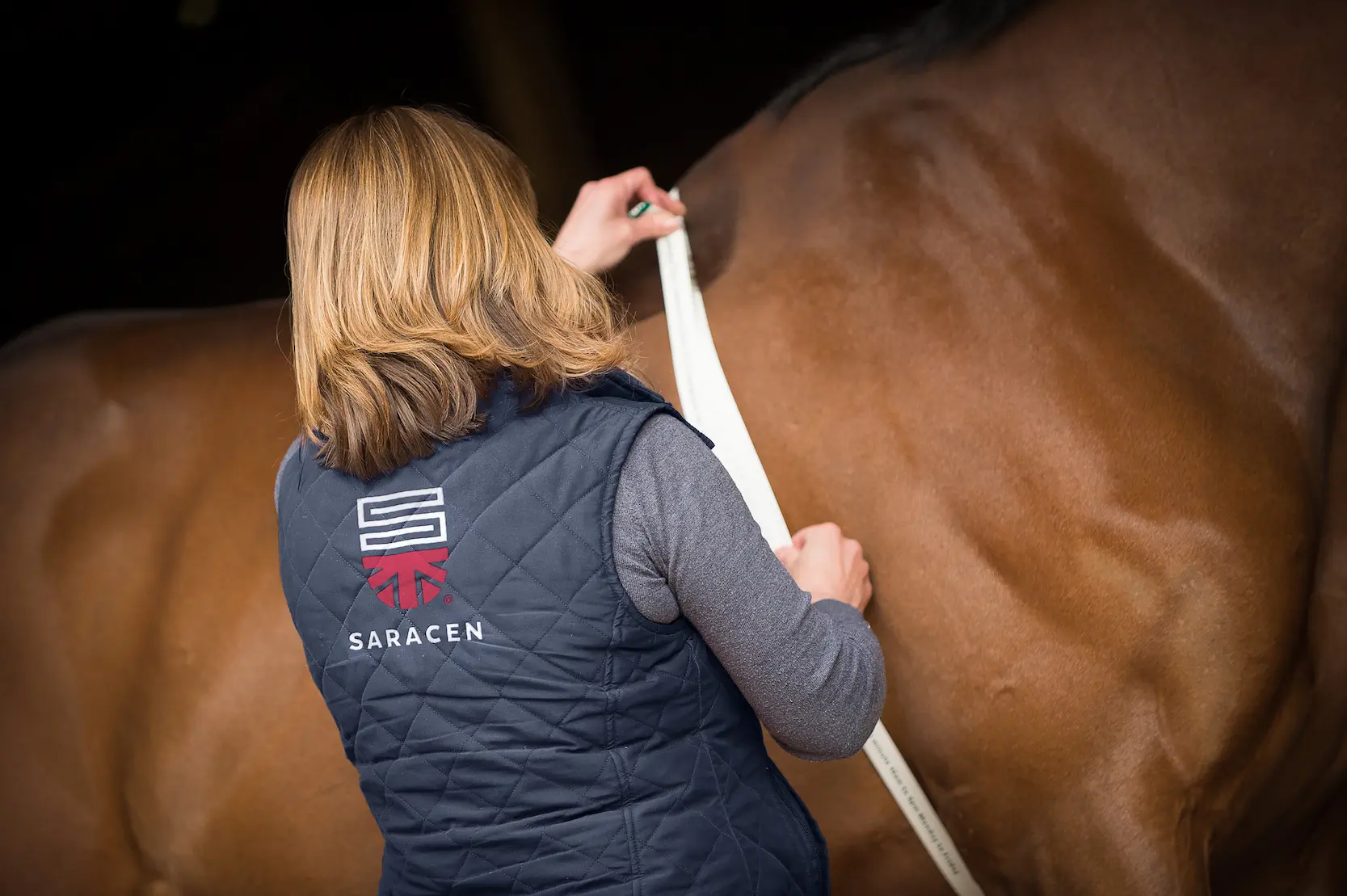
- Put the horse weight tape over your horse’s back and let the excess drop down gently
- Position the weight tape at the base of the withers and pull it around the girth area just behind the elbow in the girth groove
- Double check the positioning, the tape should be snug around your horse but not pulled tight, and then take the reading in line with the arrows
- Record your horses’ weight – you can download our horse weight tape chart so you can keep a clear record of your horse’s weight. Download here
- One Body Fat Score is approximately 25kg, so bear this in mind when you are looking to get to an optimum result for your horse.
Always remember to take your horse or ponies’ shape and breed into account when weight taping as this will have a bearing on the accuracy of the reading.
The following chart can be used as a guide to your horse or ponies’ weight.
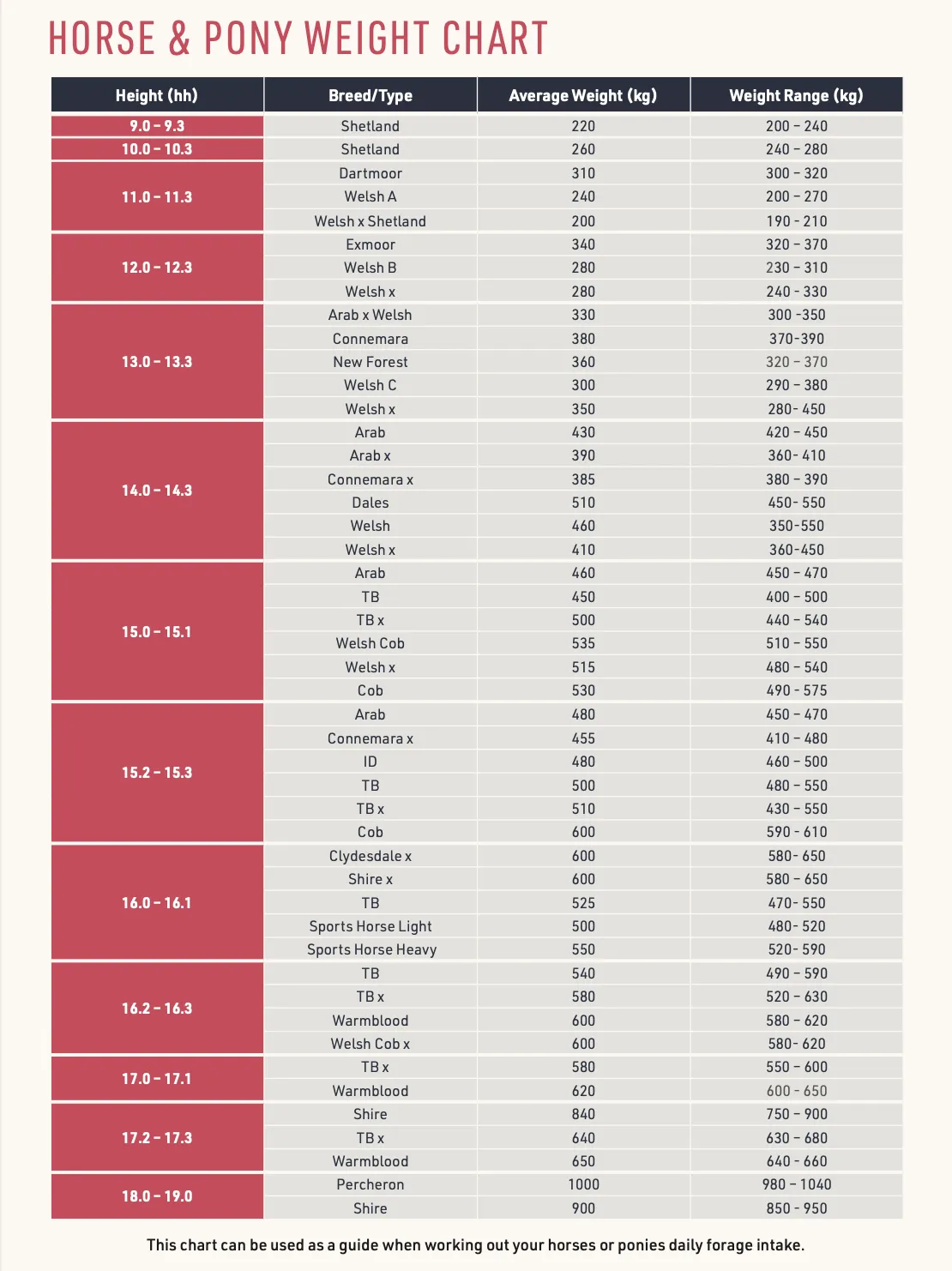
For more information and guidance on how to check your horses weight see our fat scoring guide.
Similar Articles of Interest
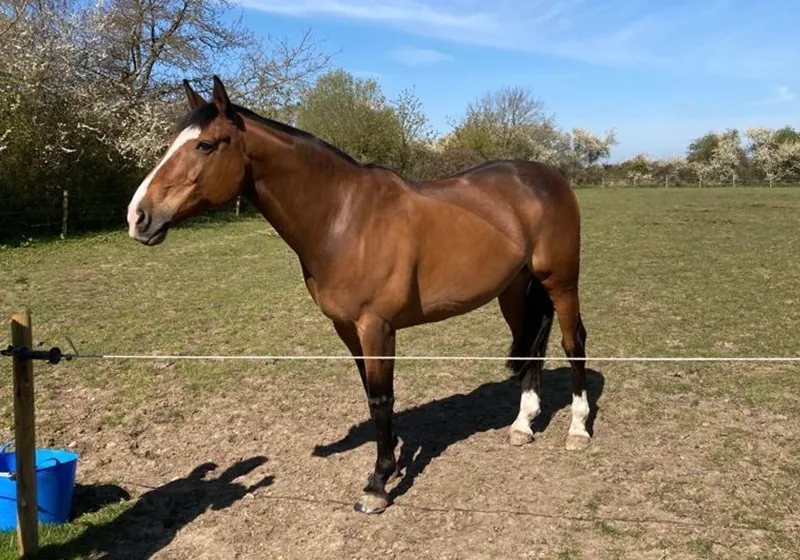

Managing Grass Intake in Spring for the Good Doer or Metabolic Horse
Manage your horse’s grass intake with this practical UK guide. Discover how much grass horses eat per hour and learn effective strategies to control grazing for overweight and good doer horses, while maintaining natural grazing behaviour and digestive health.
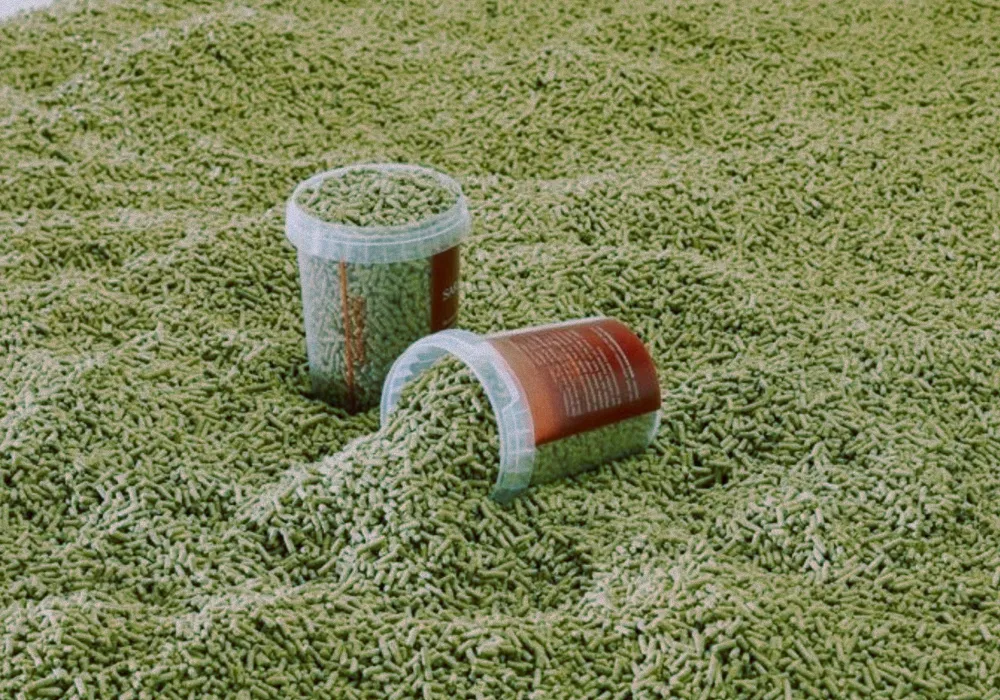

Weight Management: Maintaining Fibre Intake
Forage is essential to satisfy both the horse’s physical and psychological needs. The physical need for forage is to provide bulk and help to maintain a healthy digestive system, whilst the psychological need is that horses have a natural “drive” and need to chew as they are “trickle feeders”.