Equine Obesity: Risk Factors and Recommendations
- Prevalence of Equine Obesity
- Factors Contributing to Equine Obesity
- Challenges Faced due to Public Perception
- Initiatives and Guides Currently in Place
- Recommendations to Assess and Monitor your Horse’s Body Fat
- Recommendations to Support your Horse with Fat Loss
Owner Perceptions on Overweight Horses and Recommendations to Combat Obesity
Equine obesity is one of the biggest concerns facing leisure and competition horses today, with the prevalence of obesity in leisure horses being reported as high as 45–60%. There are a number of factors that can lead to a horse becoming overweight and this is further complicated by public perception, where obesity is often normalised within the equine industry.
Whilst researchers and industry professionals are currently working on education and initiatives to improve understanding the optimal body fat score, equine obesity is still on the rise, with increasing numbers of horses suffering from associated metabolic conditions such as laminitis and Equine Metabolic Syndrome.
Factors Contributing to Equine Obesity
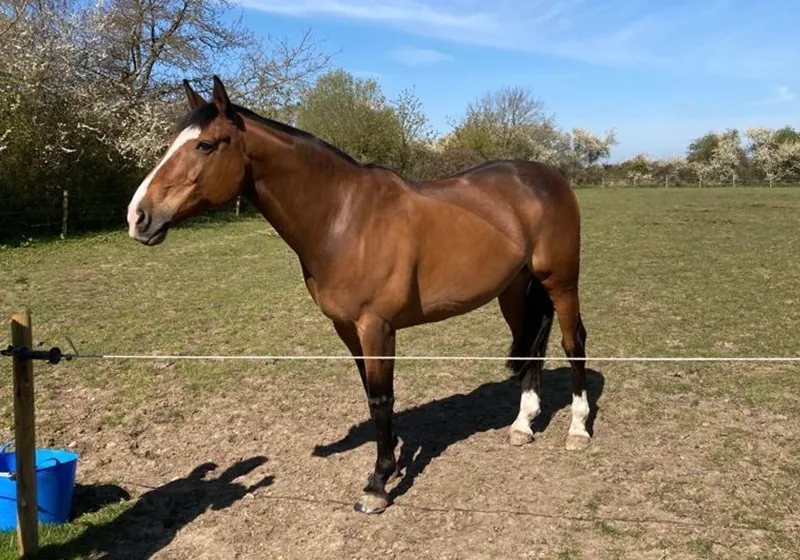
Research has shown the inability to distinguish between excess fat and the horse’s natural build is common, with Jensen et al., (2016) reporting 41.7% of owners to underestimate their horses body fat score. This is a particular issue in ponies and native breeds, where identifying an overweight horse can be more challenging. An interview response from Furtado et al., (2021) stated: “I thought that was just her build, thought she was just a big chunky cob.” This may account for the three-fold higher prevalence of obesity in ponies compared to horses (Potter et al., 2016).
Whilst some owners are aware of their horse’s obesity, they may not be familiar with all possible weight loss strategies, with many reporting that they have tried everything and seen no improvement (Furtado et al., 2022).
This is further complicated by modern equine management practices, such as increased time stabled and greater access to high-quality forage and feed. While beneficial in many ways, these factors can increase calorie intake beyond requirements. Physical constraints in management also play a role. Around 60% of UK horse owners keep their horses on a livery yard, which often comes with restrictions. For example, owners may not have control over forage type or grazing access (Furtado, 2019). Other challenges include limited time for exercise or restrictions due to horse or rider injury.
These factors highlight the importance of consulting equine nutritionists for support in creating individualised feeding plans and practical weight management strategies. Research suggests that relatively few owners seek professional advice when making feeding decisions. Westendorf et al., (2013) reported that of 242 owners, only 25.5% used a professional, with 20.5% consulting vets and just 3% working with a nutritionist.
Challenges Faced due to Public Perception
The equine industry’s perception of obesity adds an additional challenge to tackling overweight horses. Furtado et al., (2021) highlighted that while underweight horses are associated with terms such as “neglect” and “poor welfare,” overweight horses are often described using humour, with phrases such as “podgy” or “chunky.” Furtado (2019) also reported the use of euphemisms such as “in show condition” or “wintering well.”
It has become a social norm for horses in higher body fat scores to be perceived as desirable or healthy. This is frequently reinforced in media and rewarded in showing classes, potentially skewing perceptions of an ideal condition.
Despite the light-hearted language often used, most owners do recognise the health risks associated with equine obesity, including laminitis risk, insulin dysregulation, and reduced performance. However, action is often delayed until clinical conditions develop, making early intervention and education around horse weight management essential.
Initiatives and Guides Currently in Place
One initiative aiming to combat equine obesity is “The Weigh to Win” scheme, launched by The Horse Trust alongside Tamzin Furtado in 2019. This programme involves vets working alongside judges at showing competitions to body fat score horses and reward those with the healthiest condition. The aim is to showcase what ideal body fat levels look like and give owners an idea of what they should be working towards.
Saracen Horse Feeds are also committed to supporting horse owners through education on correct equine nutrition and feeding management. We offer free yard visits, where a member of our team can assess your horse’s body fat score, weigh your horse, and recommend a tailored feeding plan to support optimal health and performance.
Recommendations to Assess and Monitor your Horse’s Body Fat
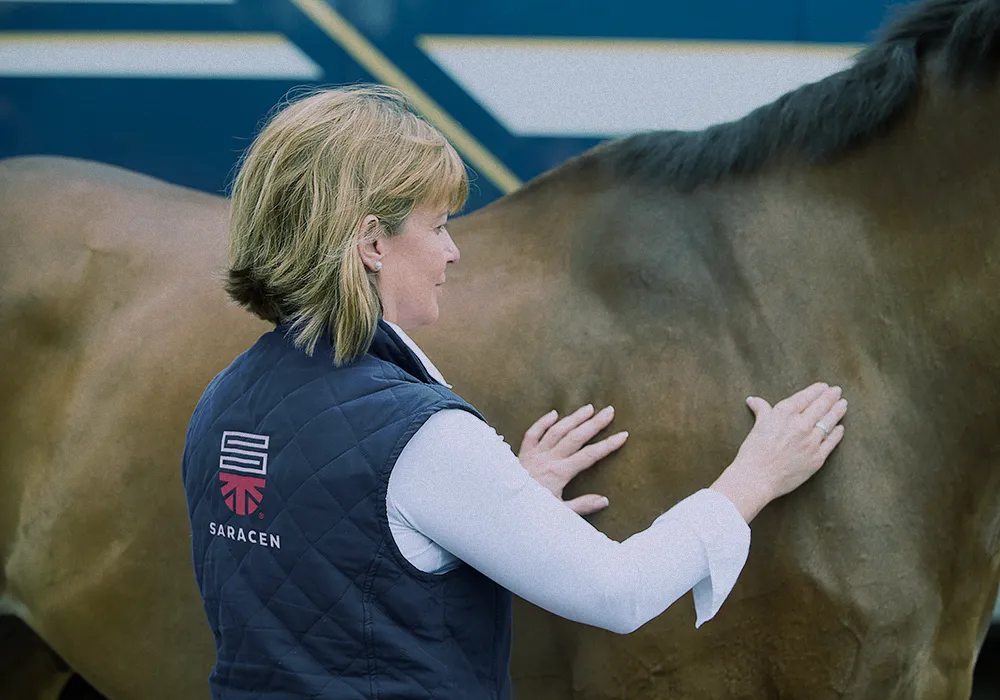
- Body fat scoring: it is important to get hands on when assessing your horse’s body fat. We recommend using the 9-point body fat score system every couple of weeks. By scoring areas such as the neck, ribs, back, and tailhead, you can make informed decisions about feed, exercise and care. Click here to learn how to body fat score your horse.
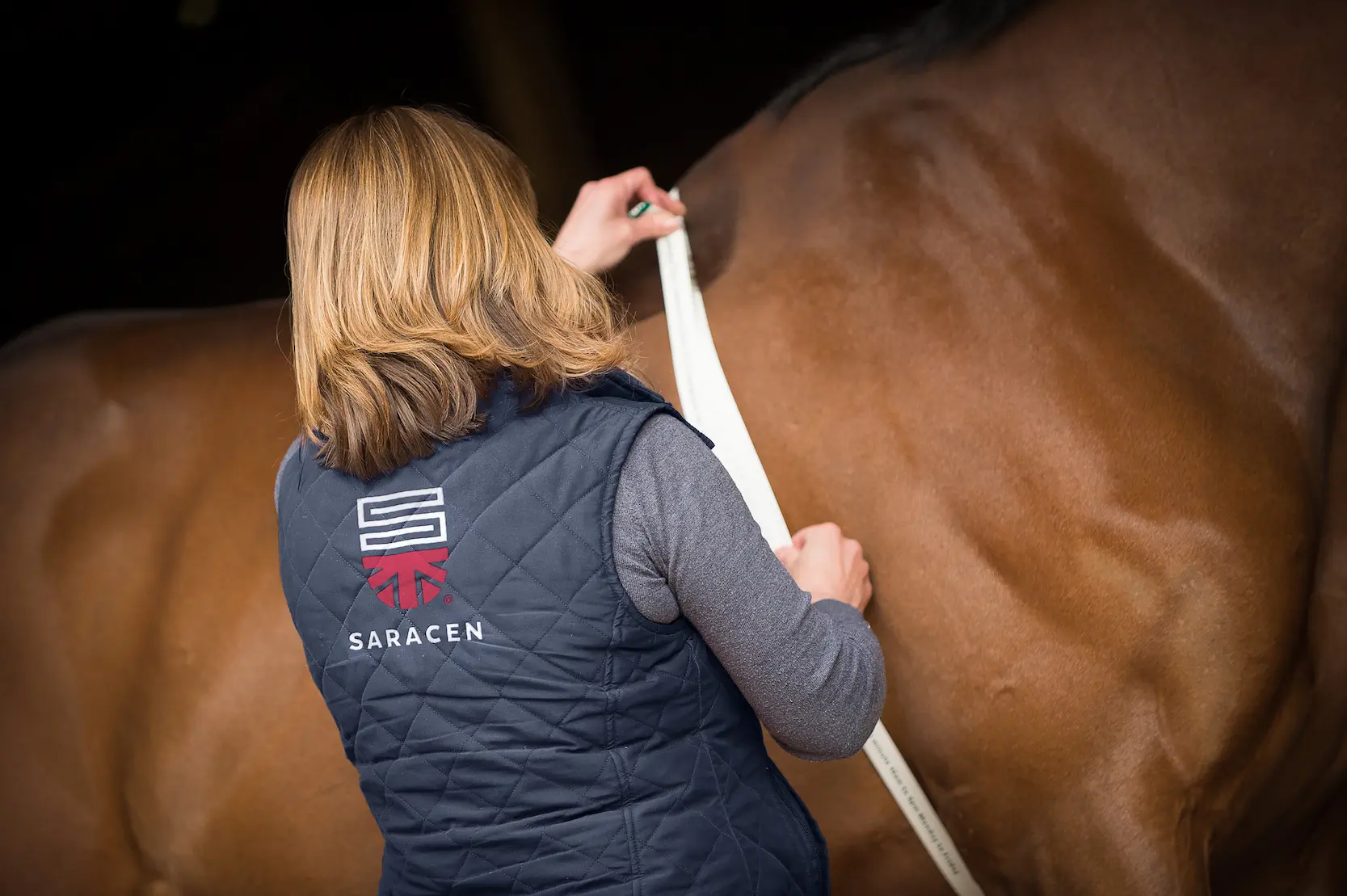
- Weight taping: combining weight taping with body fat scoring will allow you to monitor changes over time. Click here to learn how to use a horse weight tape.
- Take regular photos: subtle changes in body fat may not be easy to spot when looking at your horse every day. Taking photos alongside body fat scoring and weight taping can help to spot small changes. Ensure your horse is standing square and the photo is taken from a similar angle each time for consistency.
- Speak to a nutritionist: body fat scoring takes time and repetition to get to grips with, so don’t be afraid to ask for help.
Recommendations to Support your Horse with Fat Loss
Adjust Feed
- Consult a nutritionist for advice on supplementary feed and forage.
- Always stick to recommended feeding rates to meet vitamin and mineral requirements. If your horse needs calorie intake reduced, swap to a feed with a lower digestible energy content, or a ration balancer that is designed to be fed at low intakes.
Manage Grazing
- Manage grass intake through strip grazing, track systems, or rotational grazing.
- Gradually introduce a grazing muzzle to reduce grass intake. Avoid 24/7 use as this is likely to restrict forage intake too much. Instead, use during the day and bring horses into a dry lot or stable overnight with a mature or soaked hay.
Monitor Conserved Forage Intake
- Ensure forage intake does not drop below 1.5% of body weight per day (including hay, haylage, grass and forage replacers ).
- Use slow feeders to extend eating time.
- Assess forage quality. Mature, stemmier hay is typically lower in digestible energy content than soft, leafy hay. Get a NIR analysis of your hay if you are unsure.
- Up to 50% of the daily forage intake can be replaced with an oat straw as an extra low-calorie forage option. Ensure to introduce gradually and avoid for horses and ponies with dental issues or prone to impaction.
- Soak hay for at least 1 hour in fresh water to reduce calorie content, increasing soak time if necessary.
Increase Exercise
- Turn out with other horses to encourage movement and social behaviours.
- Increase exercise frequency, intensity, or duration where possible.
- Provide enrichment around the stable or paddock to encourage movement.
Allow for Natural Weight Loss
- Allow natural seasonal weight loss during winter to offset spring weight gain from richer pasture.
- Avoid over-rugging, which can reduce natural calorie expenditure.
Ask for Help
- Research shows that owners who work together are 45% more successful at achieving their horse weight loss goals. Buddying up can improve motivation and accountability.
- Consider a sharer or professional rider to support exercise routines.
- Contact a member of the Saracen Horse Feeds nutrition team.
Need Guidance?
If you would like any further information on feeding your horse or pony please feel free to contact our nutritional team on +44 (0)1622 718 487, email info@saracenhorsefeeds.co.uk or fill out our Feed Advice Form.
Related articles

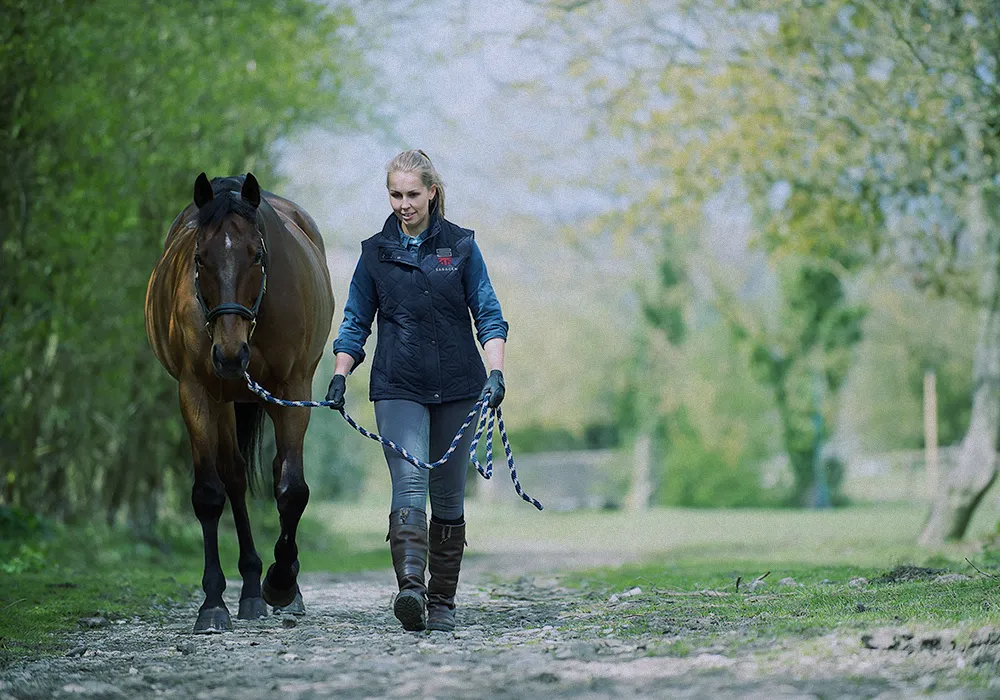
Managing Grass Intake in Spring for the Good Doer or Metabolic Horse
Manage your horse’s grass intake with this practical UK guide. Discover how much grass horses eat per hour and learn effective strategies to control grazing for overweight and good doer horses, while maintaining natural grazing behaviour and digestive health.
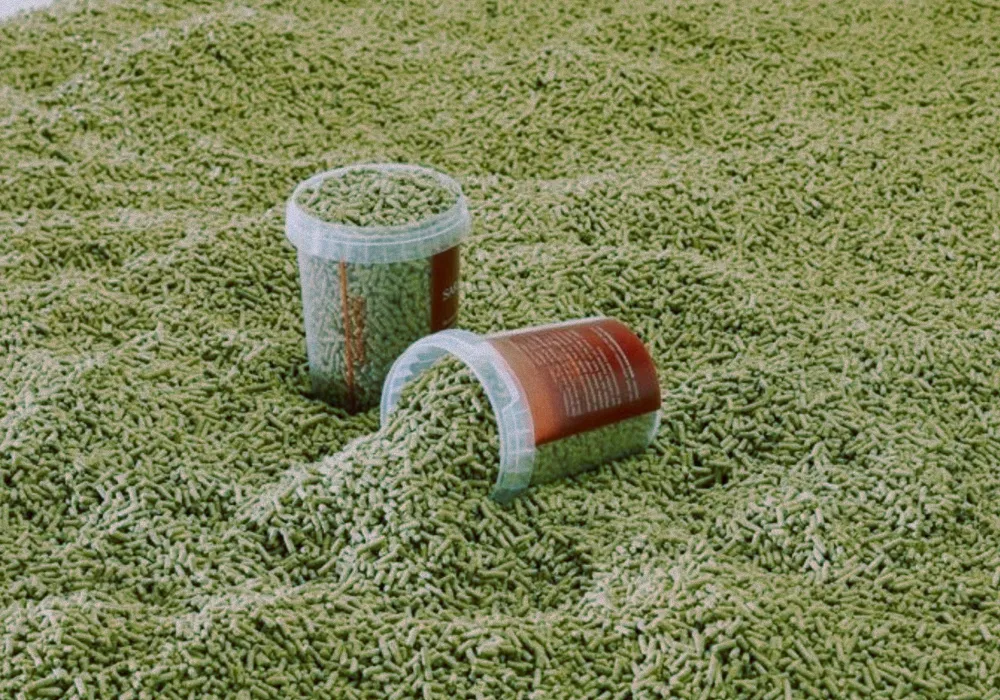

Weight Management: Maintaining Fibre Intake
Forage is essential to satisfy both the horse’s physical and psychological needs. The physical need for forage is to provide bulk and help to maintain a healthy digestive system, whilst the psychological need is that horses have a natural “drive” and need to chew as they are “trickle feeders”.
Similar Articles of Interest
Managing Grass Intake in Spring for the Good Doer or Metabolic Horse
Manage your horse’s grass intake with this practical UK guide. Discover how much grass horses eat per hour and learn effective strategies to control grazing for overweight and good doer horses, while maintaining natural grazing behaviour and digestive health.
Weight Management: Maintaining Fibre Intake
Forage is essential to satisfy both the horse’s physical and psychological needs. The physical need for forage is to provide bulk and help to maintain a healthy digestive system, whilst the psychological need is that horses have a natural “drive” and need to chew as they are “trickle feeders”.