Articles, case studies & advice
Expert tips and insights to keep your horse healthy, happy, and well-fed.
Articles
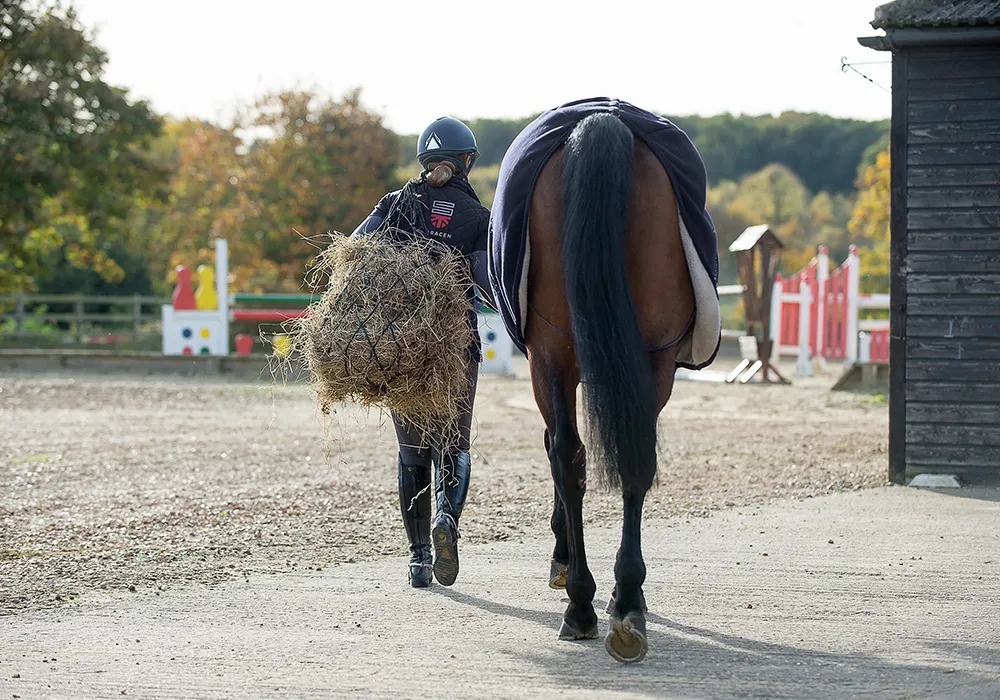
Forage Analysis for Horses Explained
Find out how a forage analysis helps balance your horse’s diet. Learn when to test hay, haylage, or grass and how results guide equine nutrition.
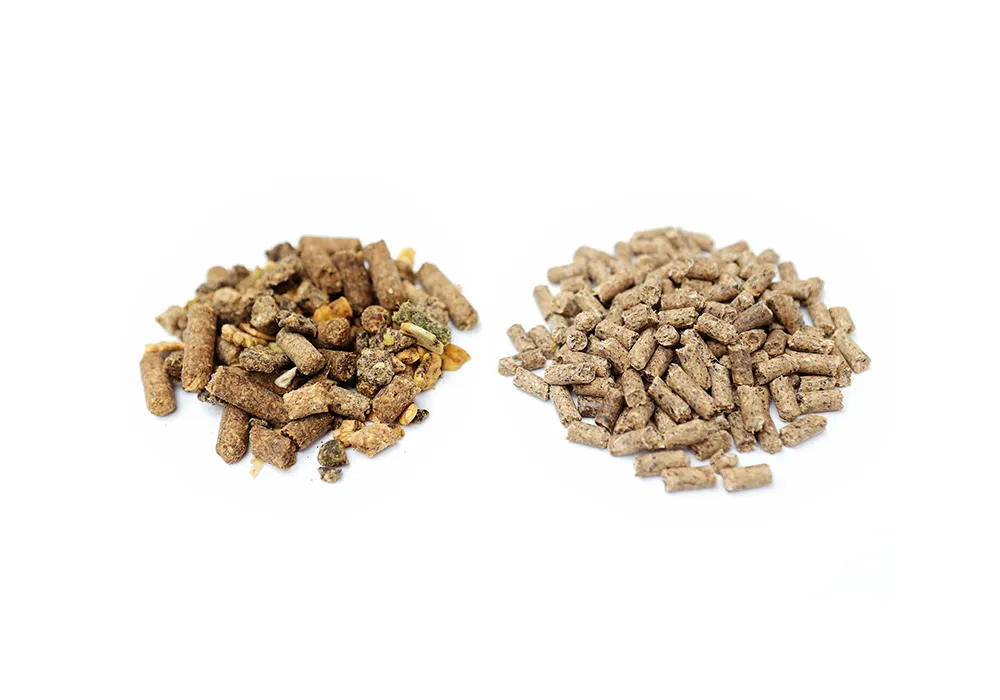
Feed Ingredients for Horses
Discover the key horse feed ingredients used in Saracen Horse Feeds and why they matter. Learn how fibre, cereals, protein, oils, vitamins, and minerals support equine health, condition, and performance.

Managing Metabolic Conditions in Horses
Learn how to feed and manage horses with metabolic disorders and laminitis prone using a low starch diet.

Signs of Dehydration in Horses and How to Prevent it
Learn how to keep your horse hydrated, spot dehydration, and use electrolytes for hot weather care.

Managing the Poor Doer Horses
By focusing on high-quality forage, and choosing a suitable conditioning feed, you can help your poor doer stay at an optimal condition, year-round

Celebrating 20 Years of World-Class Nutritional Science
Saracen Horse Feeds are proudly celebrating an exclusive 20-year partnership with Kentucky Equine Research, World Leaders in Equine Research and Nutrition.

Managing the EMS Pony
Senior Nutritionist, Lizzie Drury, explains what to look out for when managing horses and ponies with equine metabolic syndrome (EMS), based on her own management techniques with her pony Rita, whose body shape illustrates very well where fat pad areas and higher risk areas are.
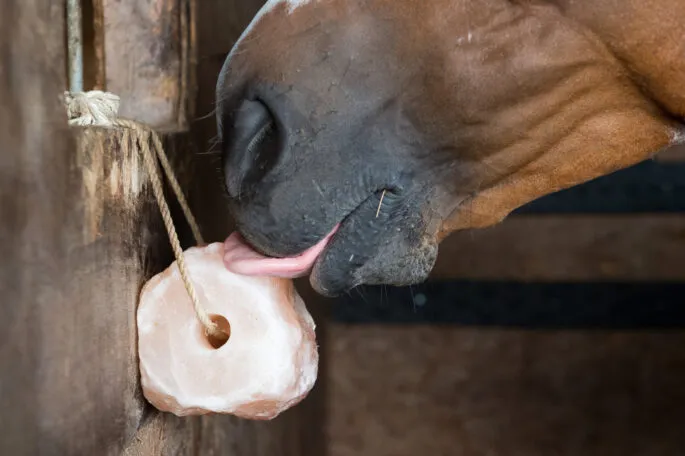
Electrolyte Loss and Rehydration Strategies
During intense exercise, horses can lose up to 12 litres of sweat per hour, approximately 4% of their total body water.
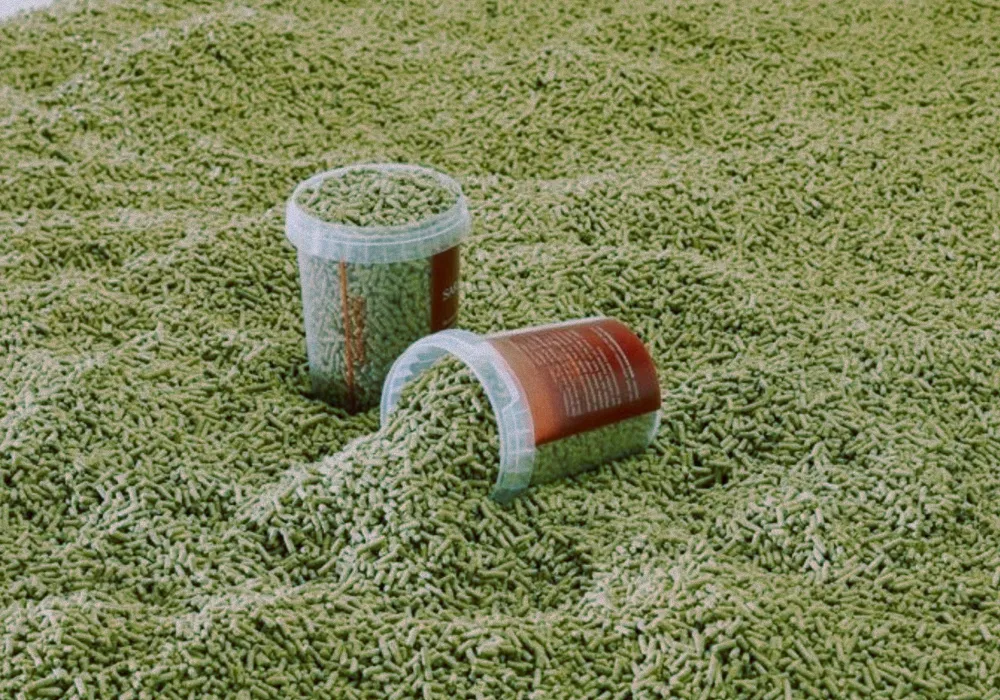
Weight Management: Choose a Low Calorie Diet
Choose a low-calorie, fully fortified balancer to support health and well-being when your horse or pony is on a weight management program.