Articles, case studies & advice
Expert tips and insights to keep your horse healthy, happy, and well-fed.
Articles

Weight Management: Maintaining Fibre Intake
Forage is essential to satisfy both the horse’s physical and psychological needs. The physical need for forage is to provide bulk and help to maintain a healthy digestive system, whilst the psychological need is that horses have a natural “drive” and need to chew as they are “trickle feeders”.
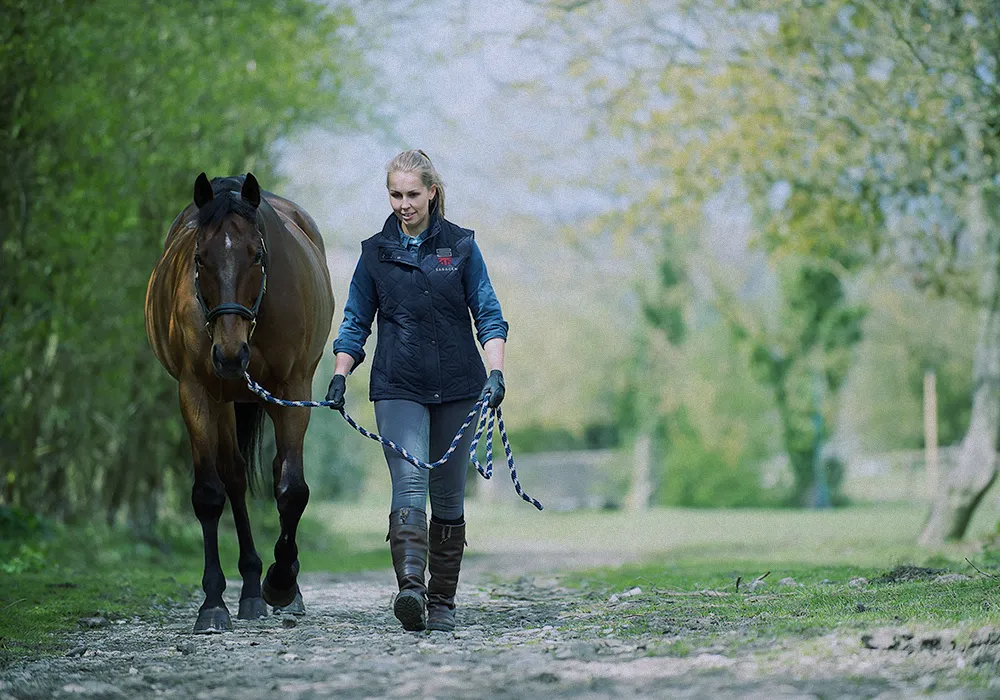
Weight Management: Increase Cardiovascular Exercise
Exercise is an essential part of a weight-loss program; a horse will only lose weight if he is expending more energy than he is consuming.
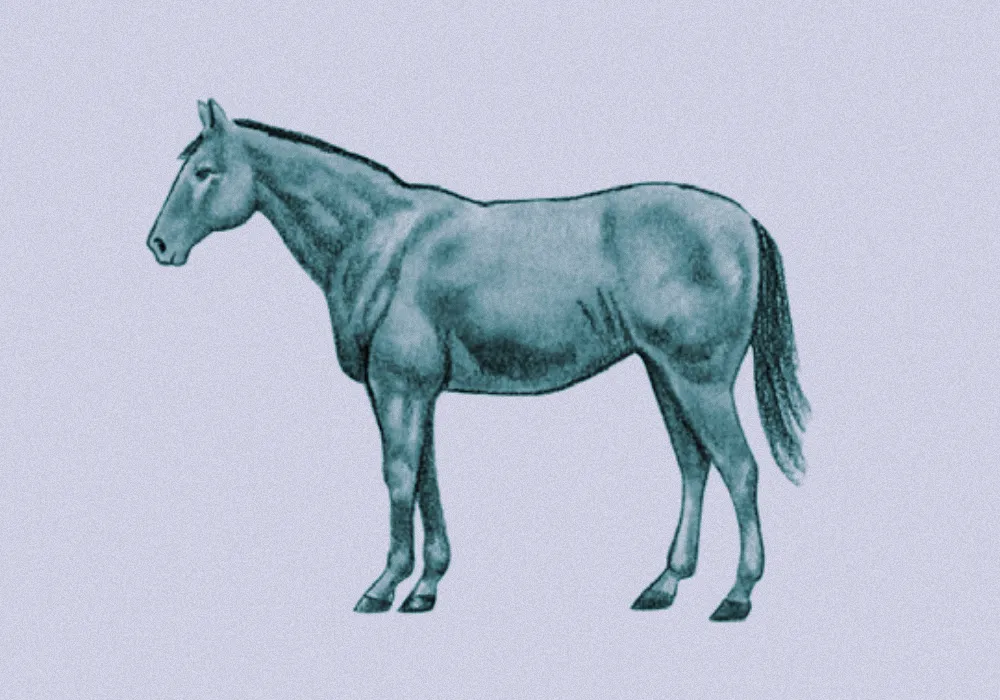
Weight Management: Optimum Body Condition
Obesity remains prevalent in the UK leisure sector of horses and ponies and is now also commonly found in the sports and elite horse sectors. It is of great concern to all equine communities from both veterinary and welfare points of view.
Weight Management
Obesity remains prevalent in the UK leisure sector of horses and ponies and is now also commonly found in the sports and elite horse sectors. It is of great concern to all equine communities from both veterinary and welfare points of view.
All Tied-up?
Tying-up or ER (exertional rhabdomyolysis) is a problem that every yard will encounter at some point in time with reports of 5-7% of the thoroughbred population being affected.
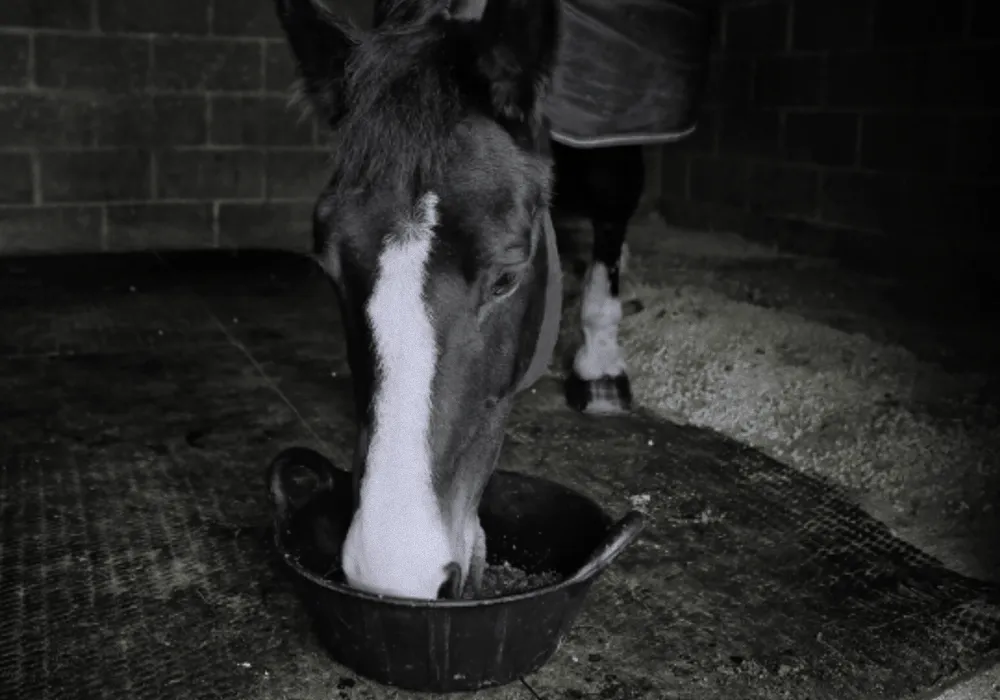
Nutritional Management of Muscle Myopathies
There are some simple dietary adjustments that can put into place to help reduce the risk of tying-up, or other symptoms of muscle myopathies.
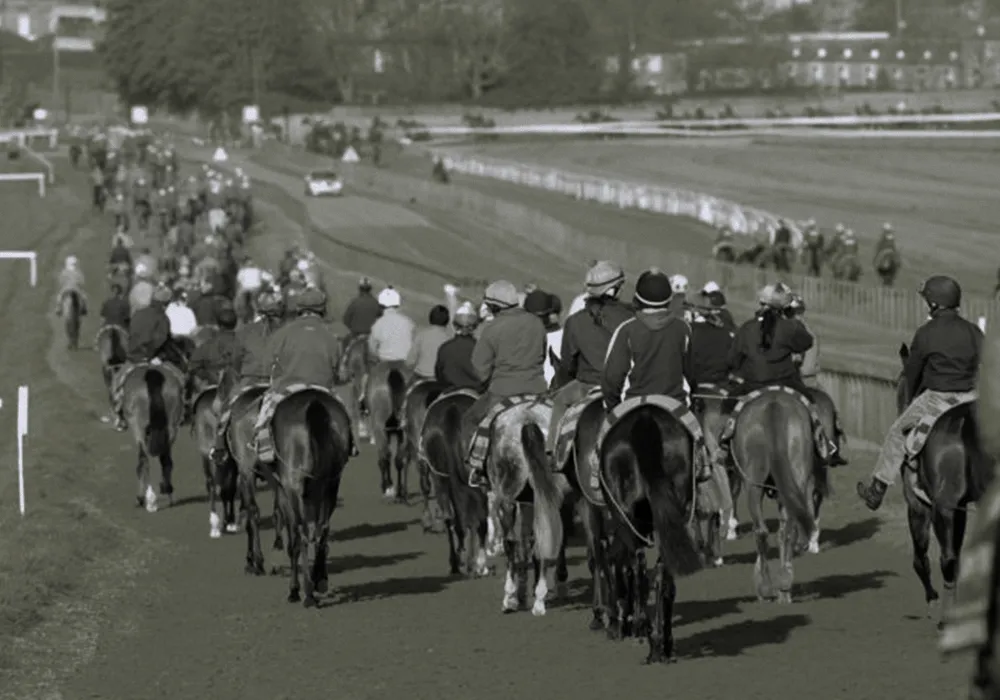
Muscle Problems in Equine Athletes: Making the Most of Nutrition
Muscle pain and impaired performance that occurs during or after exercise is known as exertional myopathy and more commonly as tying-up.

Managing Muscle Myopathies – the Latest in Tying Up
Dr. Stephanie Valberg, world-leading specialist in equine muscle myopathies explores the evolutionary, environmental and genetic factors that influence exertional rhabdomyolysis.

Historical Review of Gastric Ulcers
In the past 30 years, the understanding of equine gastric ulcer disease (EGUD) has advanced by leaps and bounds. Read the interview with veterinarian Al Merritt.