Feeding Donkeys

Feeding Donkeys
Donkeys have evolved to survive in some of the harshest environments in the world. Originating from arid and semi-arid regions, they adapted to browsing sparse vegetation and travelling long distances in search of food. Unlike horses, donkeys are extremely efficient at digesting highly lignified or ‘mature,’ forages, such as straw, and can extract nutrients from forages with lower nutritional values.
This natural efficiency means that many donkeys thrive on surprisingly simple diets. In fact, overfeeding is one of the most common nutritional problems seen in modern donkeys, particularly within the UK where grass is readily available. Rich grazing and excessive concentrate feeding can quickly lead to obesity, which significantly increases the risk of laminitis and metabolic disease.
As with any horse or pony, forage should always form the basis of the diet for Donkeys. Mature, late-cut hay or clean barley straw are often ideal forage sources because they provide plenty of fibre without excessive calories. Straw can be particularly useful for good doers, helping to extend eating time while reducing overall energy intake. Many donkeys do very well on a carefully managed combination of straw and restricted grass turnout.
While donkeys have lower calorie requirements than horses and ponies, they still require a balanced intake of fibre, vitamins and minerals. Restricting calories should never mean restricting fibre, as a constant supply of fibre is essential for digestive health and natural behaviour.

Monitoring body condition is key to supporting a healthy and happy Donkey. Regular body condition scoring is a vital part of their management, and can help to detect early changes in calorie requirements before the naked eye is able to spot subtle differences.
Although many donkeys can be maintained perfectly well on forage alone, there are situations where supplementary feeding may be beneficial. Older donkeys, lactating jennies, working donkeys or individuals that struggle to maintain condition may require additional nutritional support.
Where supplementary feeding is needed, high-fibre, low-starch feeds are generally most appropriate. Fibre-based feeds provide “safer” calories than cereal-based rations and are less likely to contribute to digestive upset or excessive weight gain. Feeds designed specifically for donkeys can also help provide quality protein, vitamins and minerals without unnecessary starch or sugar.
For older donkeys with poor dentition, soaked fibre feeds or soft mashes can be particularly useful in helping to maintain fibre intake when chewing hay becomes difficult.
Saracen Horse Feeds developed Donkey Diet alongside donkey nutrition specialists as a high-fibre option for donkeys requiring additional support, including veterans, working donkeys and poorer doers. The formulation is based on digestible fibre sources with low starch and sugar levels, making it suitable for donkeys requiring a more controlled calorie intake but who need more than just forage to maintain their weight.
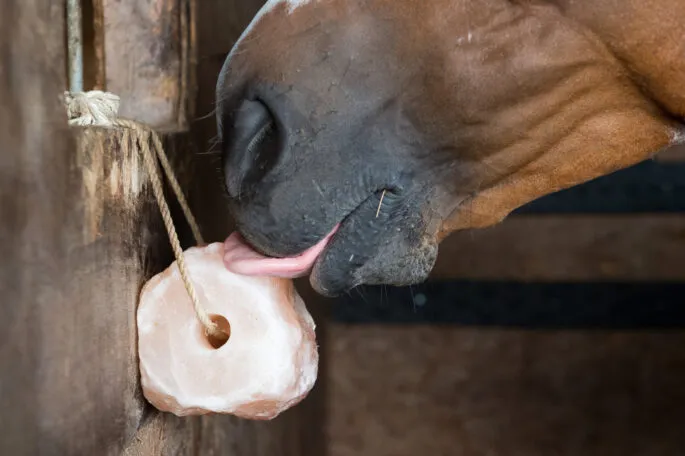
The recommended feeding rate for Donkey Diet for miniature donkeys weighing approximately 150-200kg is 500g per day. For Donkeys who do not require this quantity of feed, topping up their diets with a powdered vitamin and mineral supplement, or of course using a mineral lick in the paddocks for them to use as needed is recommended.
Need Guidance?
If you would like any further information on feeding your horse or pony please feel free to contact our nutritional team on +44 (0)1622 718 487, email info@saracenhorsefeeds.co.uk or fill out our Feed Advice Form.
Related articles
.webp)
Questions to Ask About Your New Horse’s Nutrition
A successful new horse feeding plan starts with understanding your horse’s current diet, forage intake and nutritional history. Discover the essential questions to ask when feeding a new horse, including advice on changing horse feed, managing forage transitions and supporting digestive health during the move to a new home.