Articles, research & Media
Expert tips and insights on everything Thoroughbred.
Thoroughbred Articles
Insightful articles, news and research about nutrition and feeding advice.
thoroughbred Video library
Feeding, breeding & racing related videos and media.
saracen thoroughbred brochures
Collection of breeding & racing brochures.
Articles
MicroSteed™ Report – Weanling
This example shows a weanling during the autumn months on good pasture and highlights the importance of ensuring adequate mineral intake.
MicroSteed™ Report – Broodmare Late Pregnancy
This example shows a broodmare in the early stages of lactation when nutrient requirements are higher, particularly for protein and energy, to ensure adequate milk production.
MicroSteed™ Report – Broodmare Lactation
This example shows a broodmare in the early stages of lactation when nutrient requirements are higher, particularly for protein and energy, to ensure adequate milk production.
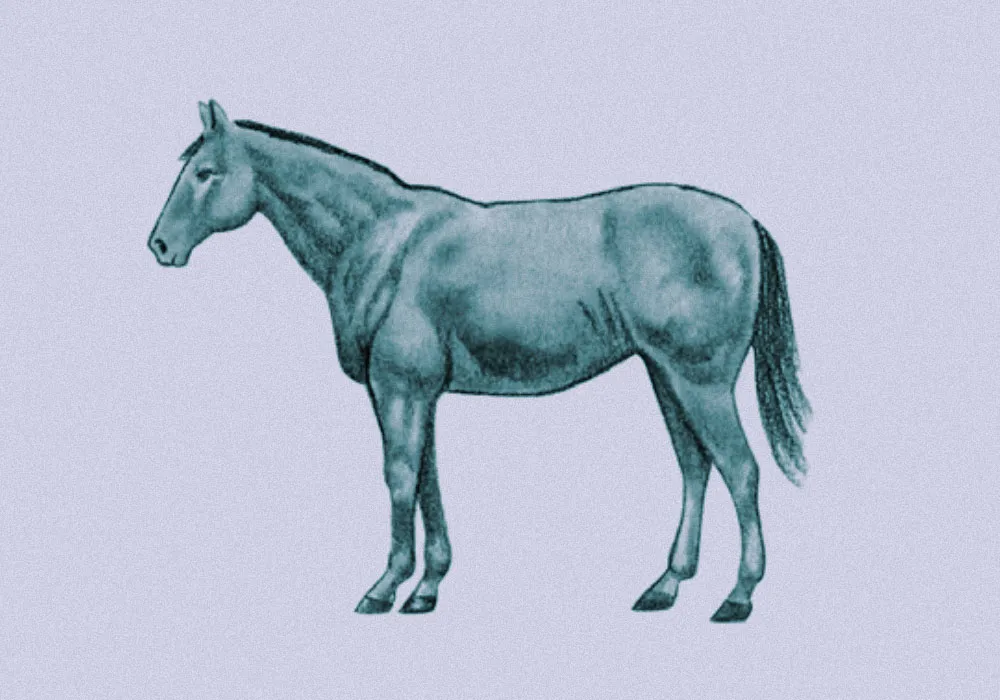
Weight Management: Optimum Body Condition
Obesity remains prevalent in the UK leisure sector of horses and ponies and is now also commonly found in the sports and elite horse sectors. It is of great concern to all equine communities from both veterinary and welfare points of view.
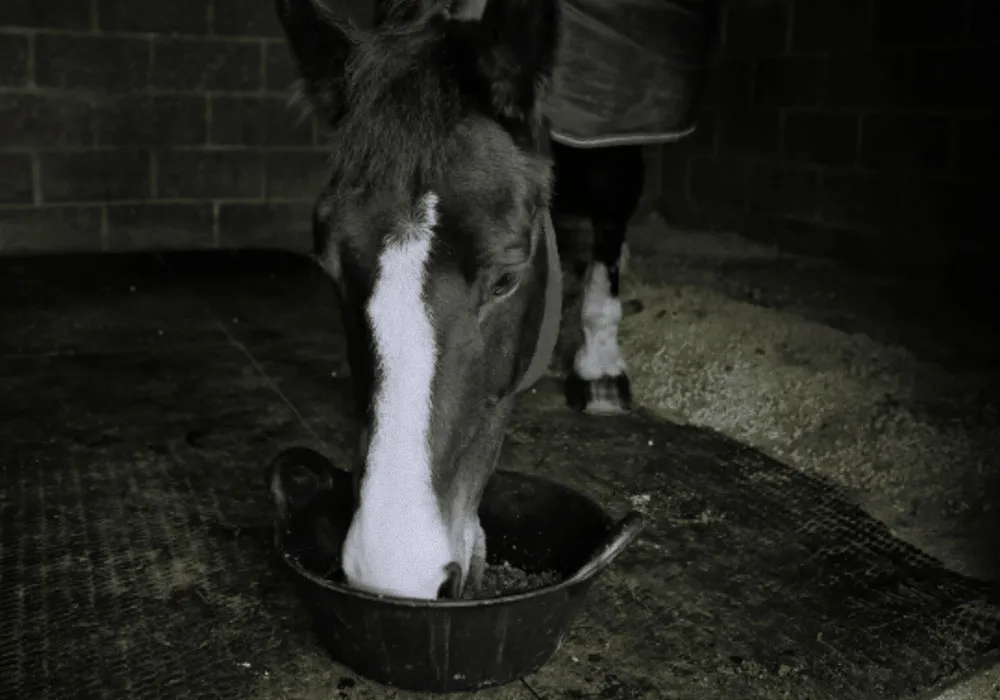
Nutritional Management of Muscle Myopathies
There are some simple dietary adjustments that can put into place to help reduce the risk of tying-up, or other symptoms of muscle myopathies.
Weight Management: Choose a Low Calorie Diet
Choose a low-calorie, fully fortified balancer to support health and well-being when your horse or pony is on a weight management program.
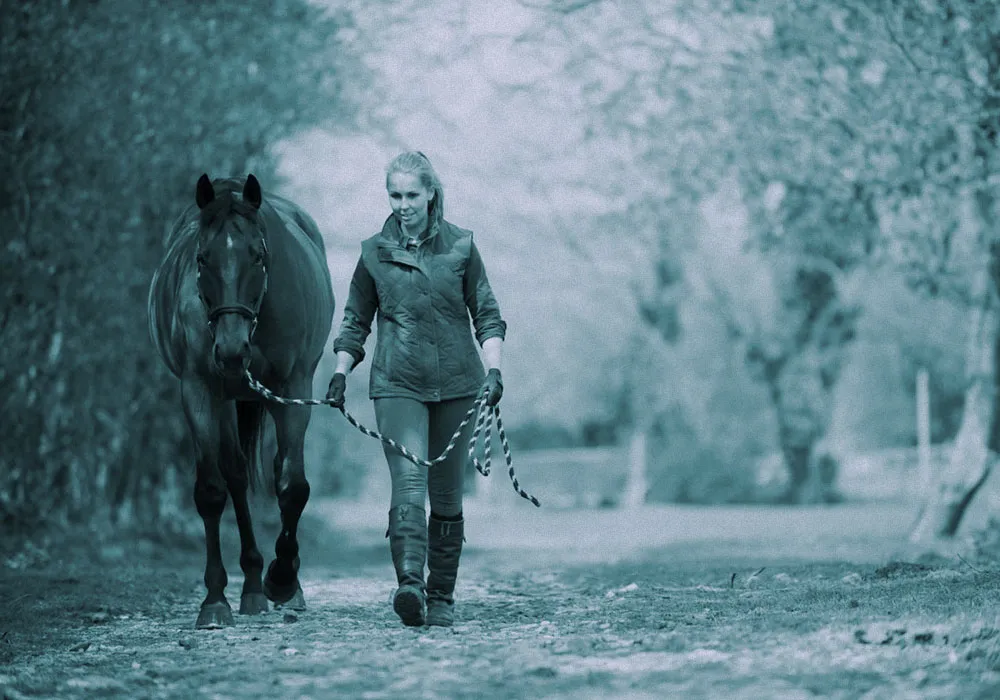
Weight Management: Increase Cardiovascular Exercise
Exercise is an essential part of a weight-loss program; a horse will only lose weight if he is expending more energy than he is consuming.
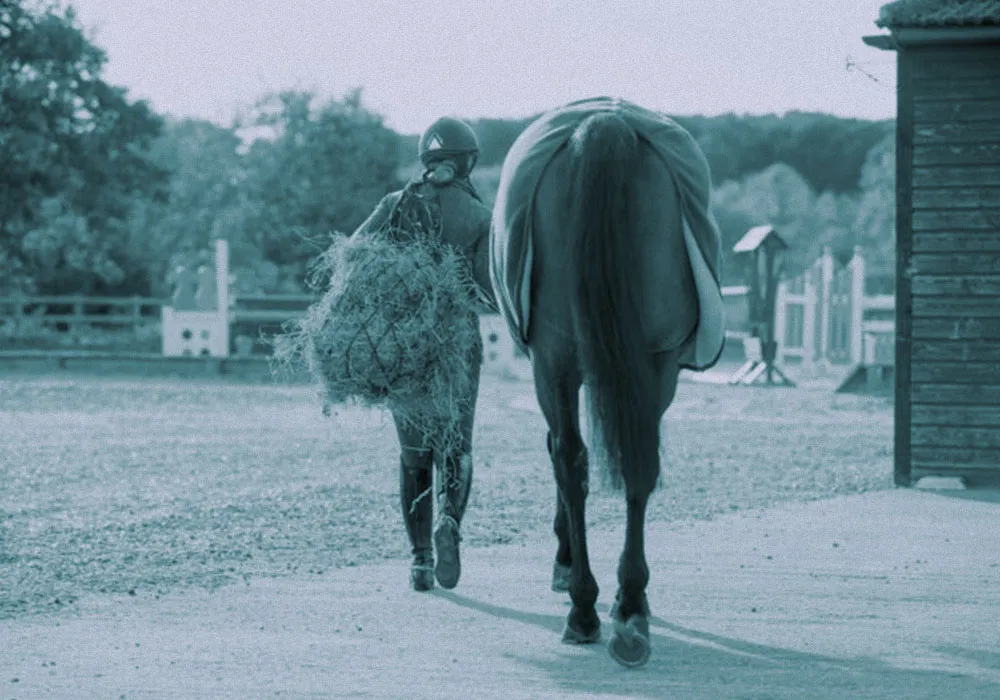
Weight Management: Maintaining Fibre Intake
Forage is essential to satisfy both the horse’s physical and psychological needs. The physical need for forage is to provide bulk and help to maintain a healthy digestive system, whilst the psychological need is that horses have a natural “drive” and need to chew as they are “trickle feeders”.
Finding the right feed for your ulcer prone horse or pony
We work closely with other experts in nutrition, research, and veterinary science in order to provide our clients research-proven products to help manage and support horses with EGUS.