Articles, case studies & advice
Expert tips and insights to keep your horse healthy, happy, and well-fed.
Articles
.jpg)
Supporting your horses topline
This article describes how to support your horse’s topline through appropriate nutrition, exercise and management. Learn how key nutrients contribute to muscle development and maintenance, alongside the importance of correct training, recovery and overall health.

Retraining Thoroughbreds: Common Myths, Mistakes & Setting Them Up for Success
Discover common myths about retraining racehorses with expert advice from Saltwells Barn. Learn how to avoid common mistakes, build your horse’s confidence and support a successful transition into a second career. From taking a patient approach to recognising small achievements and knowing when to seek professional help, find practical tips to help your ex-racehorse thrive.

Rehabilitating the Ex-Racehorse: Injury, Fitness and Building Strength
Discover expert advice from Saltwells Barn on recognising progress, safely returning horses to work and developing the physical and mental foundations needed for a successful second career beyond racing.
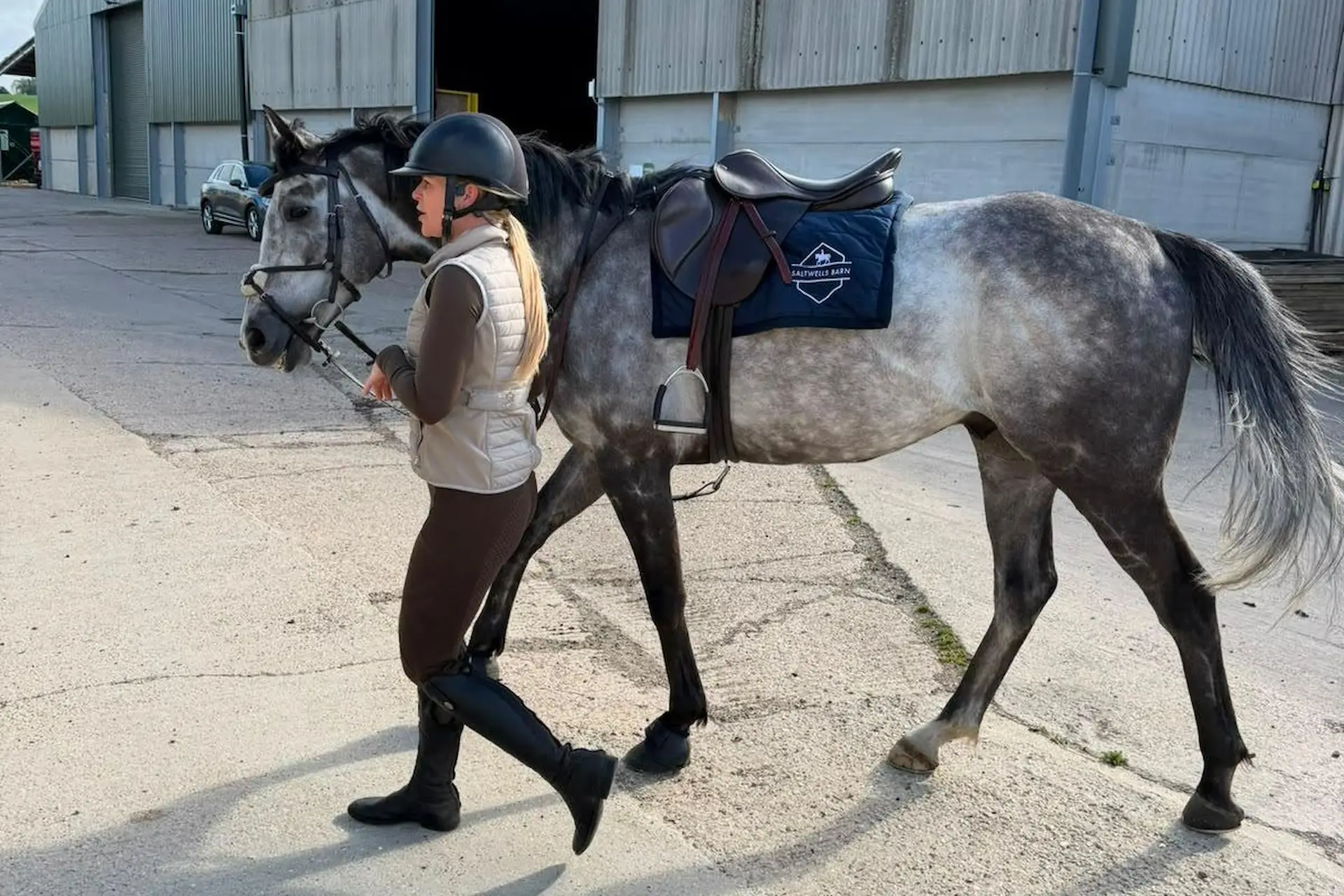
From Racehorse to Riding Horse: Getting Started with Retraining
Discover how to successfully retrain an ex-racehorse for life beyond the racetrack. The team at Saltwells Barn answers common questions about rehabilitation, assessment, time off, age, retraining programmes and realistic timescales, providing practical insight into helping Thoroughbreds transition into new careers.
.jpg)
Drought and Grass - Is it safe for laminitics?
Dry, yellow grass can look like the perfect option for laminitic horses, but can you really judge grass safety by its colour?

Managing Your Horse In Hot Weather
Summer brings longer days and more opportunities to enjoy riding, but prolonged periods of hot weather can place significant stress on your horse's body. Horses rely on a delicate balance of hydration, nutrition and thermoregulation to stay healthy, and when temperatures rise, these systems are put under increased pressure.

Feeding the Veteran Horse
Learn how to feed a veteran horse with confidence. Discover expert advice on veteran horse nutrition, dental health, body condition, metabolic health, forage replacers and maintaining muscle mass. Find out how to support your older horse with the right diet to keep them healthy, comfortable and active for longer.
.webp)
'Super-Fibres' for Horses
Discover the benefits of 'Super-Fibres', including beet pulp, soya hulls and alfalfa. Learn how these highly digestible fibre sources support digestive health, hydration, body condition and slow-release energy, making them an ideal choice for horses requiring a low starch, cereal-free diet.
.webp)
Questions to Ask About Your New Horse’s Nutrition
A successful new horse feeding plan starts with understanding your horse’s current diet, forage intake and nutritional history. Discover the essential questions to ask when feeding a new horse, including advice on changing horse feed, managing forage transitions and supporting digestive health during the move to a new home.