Poisonous Plants- Sycamore
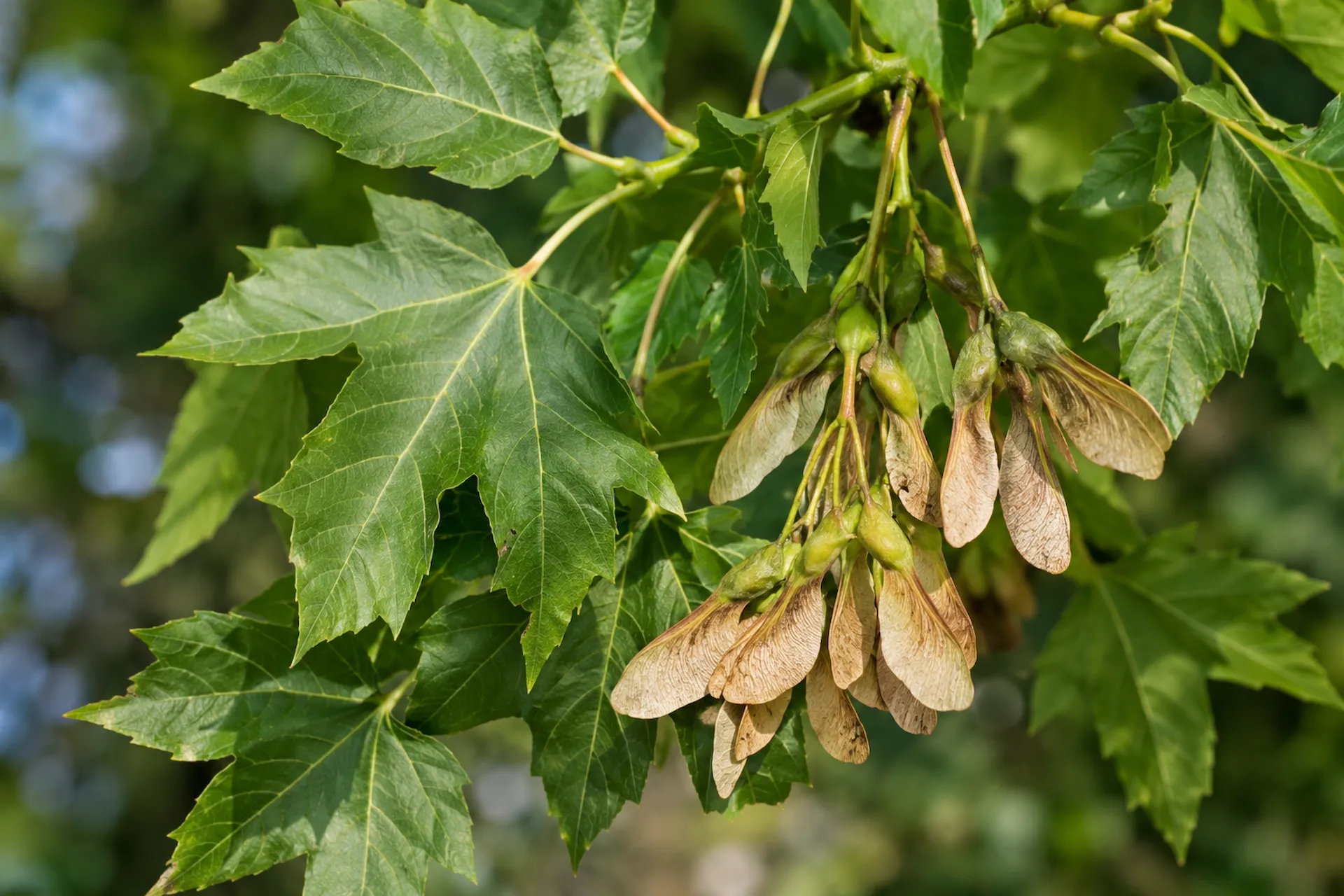
Sycamore trees (also known as Acer pseudoplatanus) are widespread across the UK and a common sight to see in our countryside. However, these trees pose a great threat to the health and welfare of our horses, as their seeds, seedlings and leaves are highly poisonous.
From the beginning of autumn, sycamore trees begin to drop their seeds which can easily travel over 100 metres from the tree, landing in paddocks and grazing areas, due to their symmetrical V- shaped wings. Most sycamore poisoning cases in horses and ponies are caused by the consumption of these seeds in autumn.
Why is this important for horse owners to be aware of?
The seeds from sycamore trees produce the toxin Hypoglycin A, which is a naturally occurring amino acid in some plants. Hypoglycin A produces a metabolite which inhibits the use of Acyl Coenzyme-A (CoA) – a crucial factor in numerous biochemical reactions in the body, disturbing energy metabolism. The resulting disease is known as atypical myopathy. Atypical myopathy is a severe and potentially fatal disease which causes the degeneration and necrosis of postural, skeletal and cardiac muscle (Kruse, 2024). Early identification of trees, seeds and symptoms in horses can be life saving.
Symptoms to be aware of
The most frequently observed symptoms in horses with Atypical Myopathy are weakness, stiffness and reluctance to move, recumbency, trembling, dark-brown urine, abnormally rapid breathing, difficulty exhaling and muscular degeneration. Secondary complications are common such as pressure sores, buccal ulcers, gastric ulcers, choke, diarrhoea, renal dysfunction and corneal ulceration. Signs of sycamore poisoning may appear similar to symptoms shown in horses with colic but still expressing the desire to eat, or tying- up without being associated to exercise.
What to do if symptoms are observed?
It is advised that if any of these symptoms are spotted or you are concerned you horse has consumed sycamore plant, you should call your vet as soon as possible. Ensure to remove your horse from the field immediately and move them into a stable or shelter with thick bedding. It is also important to keep the horse warm whilst taking care to not cause them to overheat. All other horses should be removed from the field until the risk is under control. Vets will diagnose atypical myopathy based off results from urine analysis and enzyme levels in the blood.
Preventing Sycamore Poisoning and Atypical Myopathy
- Sycamore trees within your horse’s fields should be removed to be as safe as possible, however if this is not possible you should fence off areas around the trees allowing enough distance for it to be out of reach from horses. Seeds, saplings and fallen leaves should be raked up, removed and disposed of safely.
- Horse owners and land owners should be aware of nearby sycamore trees and frequently check fields for any seeds that may have landed where horses are grazing, especially in the Autumn months.
- Affected horses typically have been turned out in pastures with sparse forage and have often not been given supplemental hay or feed, so providing enouge forage for horses should reduce the risk of sycamore seeds being ingested. It is recommended that horses should be fed a minimum of 1.5% their bodyweight in forage per day.
- Check your horse regularly and familiarise yourself with the signs of Atypical Myopathy.
Vitamin E
Recent pilot studies have found that the supplementation of antioxidants such as vitamin E have been associated with higher survival rates of atypical myopathy (Nagy et al., 2021). Atypical myopathy is linked to oxidative stress of cells, and so the use of antioxidants as part of the management of this condition is suggested to be highly useful (Zolkipli, 2011). Vitamin E is first and foremost an antioxidant and therefore helps to maintain immune function as well as supporting the cardiovascular, circulatory, neuromuscular, and reproductive systems. Horses recovering from illness often use up their stores of anti-oxidants relatively quickly, and it can take a long time to build these levels back up again, especially for horses that do not have regular turnout or are on box-rest. For these horses supplementing them with a course of Nano-E™ can acts as a 'pick-me-up' helping to boost the anti-oxidant levels in the body, which benefits overall health and muscle function.
Need Guidance?
If you would like any further information on feeding your horse or pony please feel free to contact our nutritional team on +44 (0)1622 718 487, email info@saracenhorsefeeds.co.uk or fill out our Feed Advice Form.