Rehabilitating the Ex-Racehorse: Injury, Fitness and Building Strength
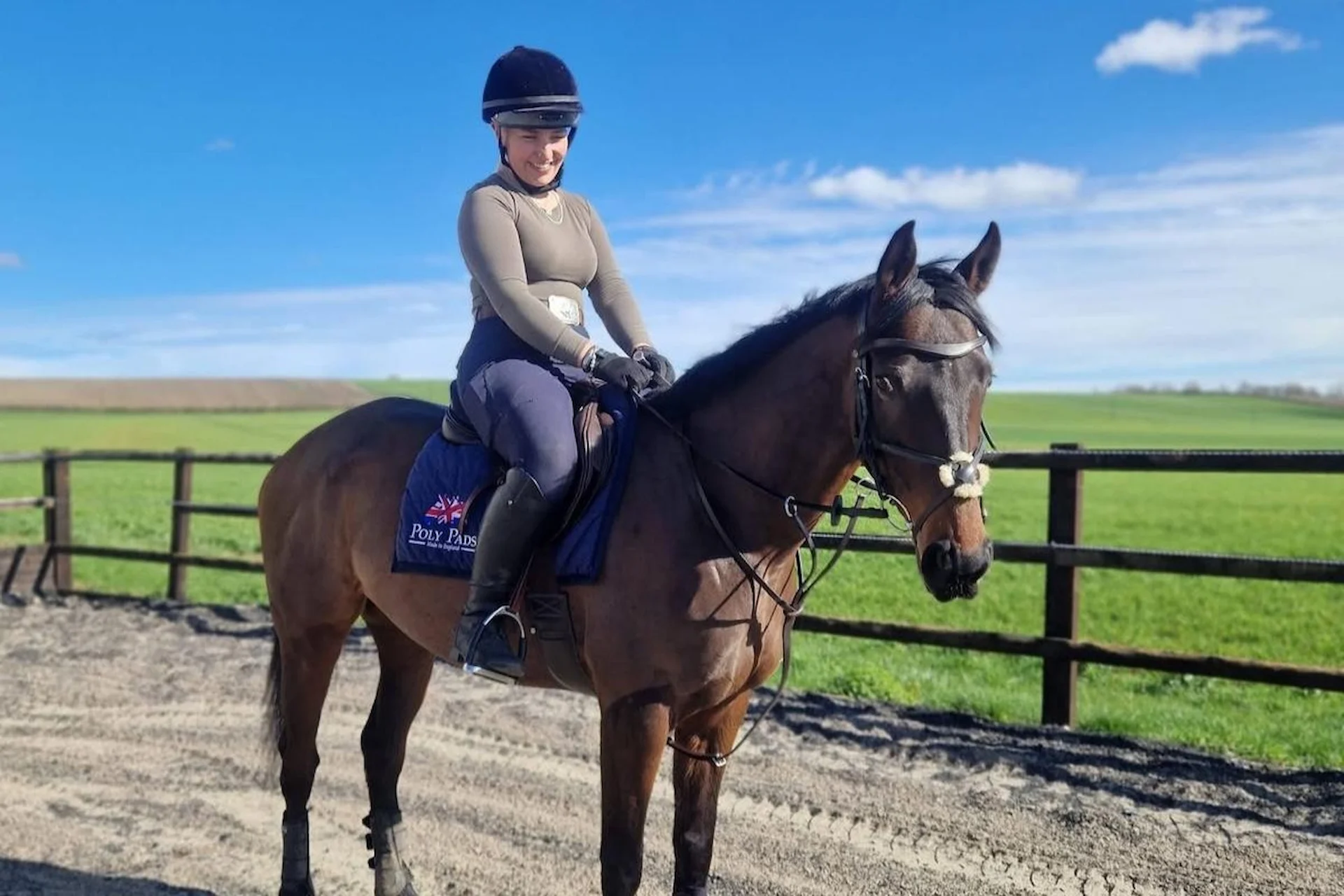
Not every ex-racehorse begins their next career from the same starting point. Some leave racing sound and simply need to develop the physical and mental skills required for a new discipline, while others come out of training following an injury and require a carefully managed rehabilitation programme first.
The physical demands of racing can place significant stress on the musculoskeletal system, and returning a horse to work following injury requires careful progression. Building the strength needed for a new career also takes considerably longer than simply returning a horse to soundness.
We asked Saltwells Barn, a 5* rehabilitation yard in Cambridgeshire, about some of the most common injuries they see in Thoroughbreds, how they approach rehabilitation and how they know when a horse is ready to progress.
What are the most common injuries you see in racehorses?
The majority of the injuries we see involve the soft tissues, particularly tendon injuries such as damage to the deep digital flexor tendon (DDFT).
Racehorses place enormous demands on their bodies every day. Galloping creates repeated loading, high forces and significant stretch through the tendons and ligaments, making these injuries relatively common within the racing population.
How do you manage bringing horses with soft tissue injuries back into work?
CONTROLLED EXERCISE!!
Controlled exercise is probably one of the hardest things about these injuries because a tendon or a ligament needs loading to heal properly but too much loading can cause further damage.
Honestly, walk is our best friend! I would hate to work out how many hours we spend walking horses. You can do so much in walk and increase intensity and difficulty so much without risk.
You can start a horse simply hand walking but then move to ridden walk and then hill walk, maybe then start doing raised poles and lateral work. You can work a horse very successfully at a steady pace and this is key to strengthening soft tissue injuries.
When do you know a horse is ready to begin retraining?
Again, every horse is different but I would always suggest if a Thoroughbred has had an injury, the injured part of the body would thank you for retraining into a steadier way of life. At the end of the day, that injury site will always be a tiny bit weaker due to scar tissue and therefore that high intensity will always be a little bit harder.
I’m also a true believer that horses tell you. Thoroughbreds absolutely adore their job in every way, they run for pure enjoyment but therefore when they start to slow down, or don’t want to go onto the gallops, or just generally quiet in themselves, I also think that’s a pretty good sign.
The easiest and most obvious signs are the physical ones. Swelling decreasing, heat disappearing, horses looking more toned in the right places, becoming sound etc. You can sometimes tell by the way they are acting. Horses might start to feel better and come out of their box, start to enjoy work or just be able to do their work more easily than they did before. Sometimes really well behaved ones become really naughty and then you know they’re feeling well!
We also tend to work with or ride the same horses every day and this is so valuable because you really get to know them and can spot changes and progress.
If we’re talking in general, when should they be ridden properly… FROM THE START!! We have horses come for schooling before or during their training and it’s the best thing for their bodies, their brains and avoids so many injuries!
How long does it take an ex-racehorse to develop a riding horse's muscle?
Building a new physique takes time.
You'll often start to see changes within a few months, but developing a strong, balanced topline suitable for riding takes considerably longer.
While some horses are ready to move on to new homes after five or six months, building the strength, posture and muscle required for a long, successful ridden career is a process measured in months rather than weeks.
Meet the experts
Saltwells Barn is a 5* rehabilitation yard in the heart of Cambridgeshire. They specialise in box rest, rehabilitation and managed turnout through their exceptional state of the art care. Their services provide horses with a safe and stress-free environment to support healing and overall wellbeing. With qualified staff on hand around the clock, each horse receives expert care, regular monitoring and plenty of attention to help them in their journey. Every plan is tailored to each horse’s specific needs, ensuring gradual and effective recovery from box rest to full ridden work and everything in between.
Need Guidance?
If you would like any further information on feeding your horse or pony please feel free to contact our nutritional team on +44 (0)1622 718 487, email info@saracenhorsefeeds.co.uk or fill out our Feed Advice Form.
Related articles
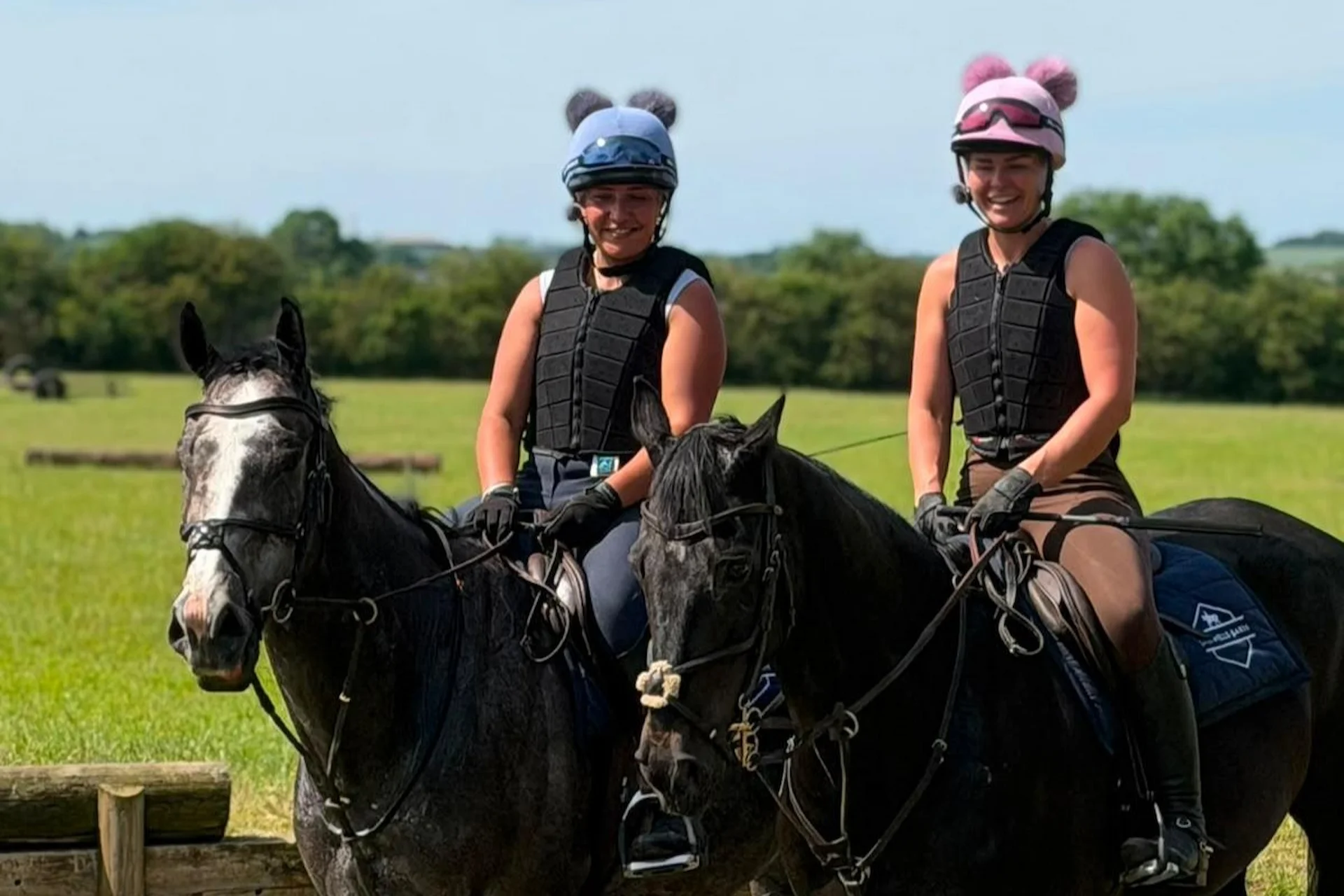
Retraining Thoroughbreds: Common Myths, Mistakes & Setting Them Up for Success
Discover common myths about retraining racehorses with expert advice from Saltwells Barn. Learn how to avoid common mistakes, build your horse’s confidence and support a successful transition into a second career. From taking a patient approach to recognising small achievements and knowing when to seek professional help, find practical tips to help your ex-racehorse thrive.
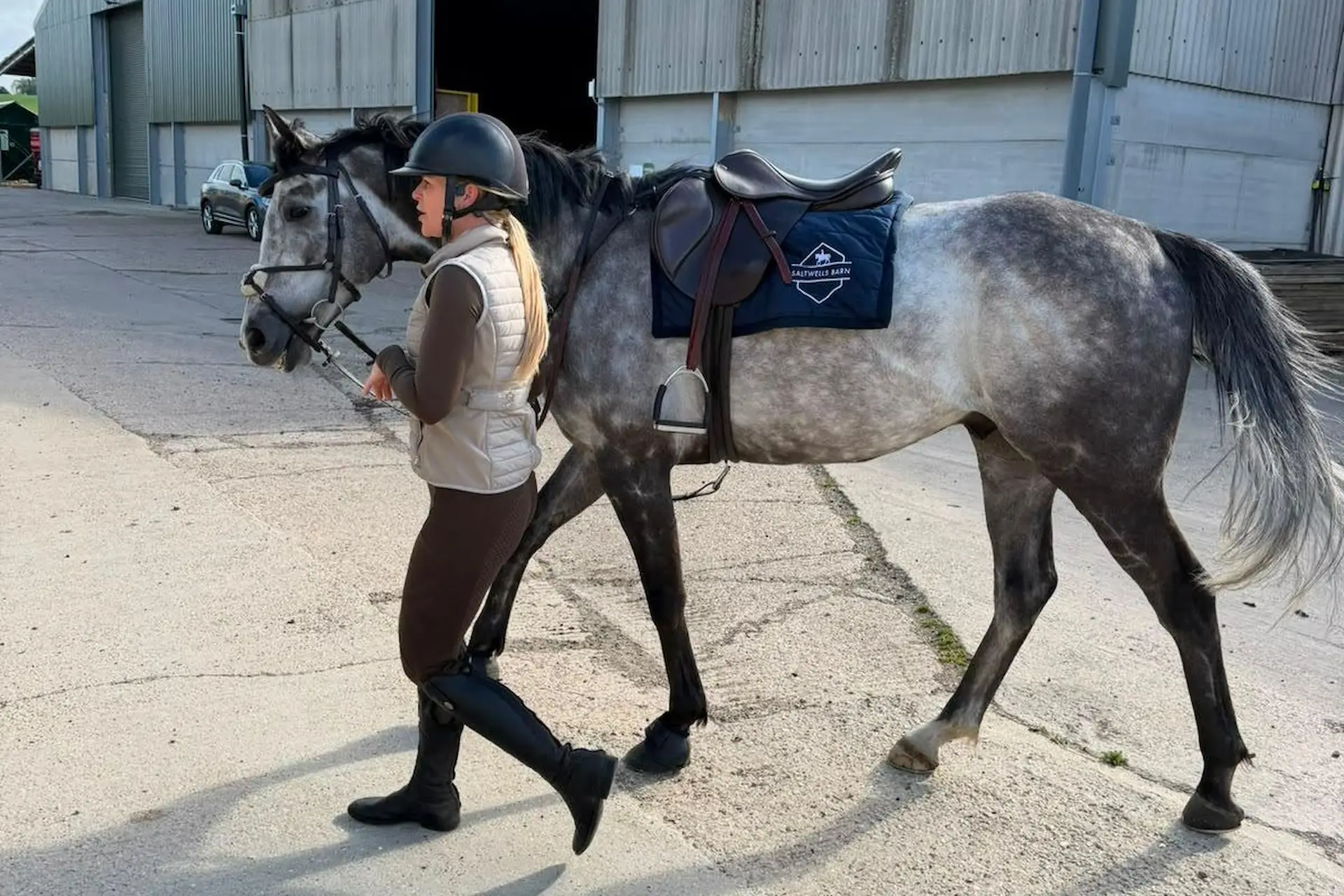
From Racehorse to Riding Horse: Getting Started with Retraining
Discover how to successfully retrain an ex-racehorse for life beyond the racetrack. The team at Saltwells Barn answers common questions about rehabilitation, assessment, time off, age, retraining programmes and realistic timescales, providing practical insight into helping Thoroughbreds transition into new careers.