Retraining Thoroughbreds: Common Myths, Mistakes & Setting Them Up for Success
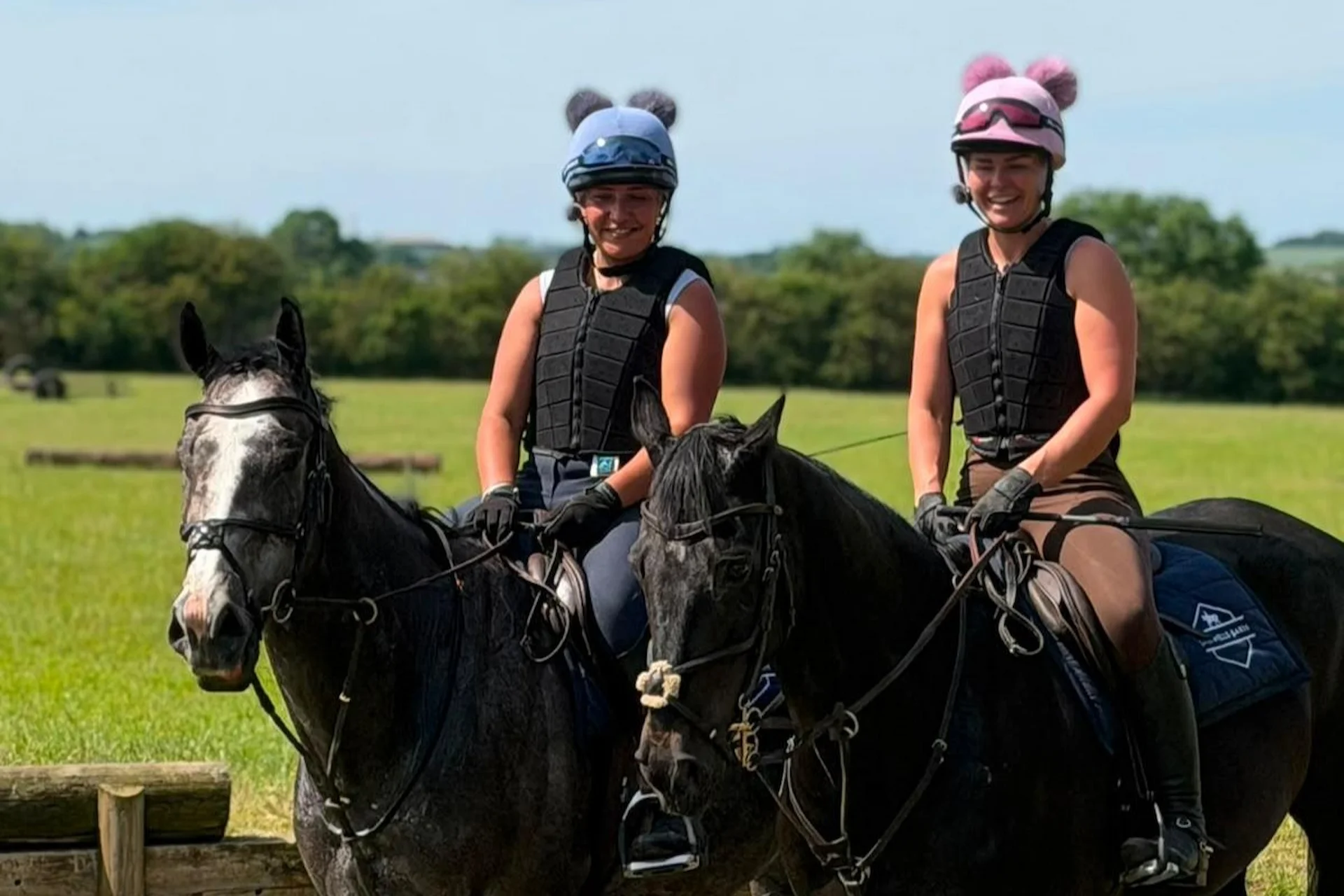
Retraining an ex-racehorse isn't simply about teaching them how to jump, hack or perform in a new discipline. For many horses, the biggest changes happen away from the arena: learning to relax, understand a new routine and develop confidence in a completely different environment. Despite their growing popularity as riding horses, Thoroughbreds are still surrounded by misconceptions. They are sometimes labelled as sharp, difficult or unsuitable for inexperienced owners, when in reality many have spent years being handled, travelled and worked in busy environments.
We asked Saltwells Barn to tackle some of the biggest myths and mistakes surrounding ex-racehorses, as well as their advice for owners embarking on the journey.
What's the biggest myth about retraining Thoroughbreds?
That they're too difficult for the average rider.
In reality, Thoroughbreds are often some of the kindest and best-handled horses you'll meet. They've travelled extensively, experienced busy environments and learned to work with multiple handlers throughout their racing careers.
Many simply need time to decompress before showing just how adaptable they can be. There’s this narrative around Thoroughbreds being sharp, rude and flighty but I truly feel we only hear the horror stories, and a lot of these horses just haven’t been given a chance to unwind. Out of all the horses we have on the yard, as we also occasionally have other competition horses, they are the easiest to handle, most rewarding and most characterful, fun horses. Because they’ve been so well handled, always had to be in and out of stables, handled and ridden by multiple people, travelled and experienced all kinds of environments and loud, busy places, they are incredibly well set up for being the most amazing retrained horses. Our yard is so happy and easy because of these experiences and I wish more people knew.
There really is a Thoroughbred for almost every rider, and a second career doesn't have to involve competition. Progress looks different for every horse and every owner.
There is a job for every horse and there is a horse for every person and even if all you feel you can manage is some ground work or just giving them a scratch and a groom, it's all progress in the right direction. The best retrained horses are sometimes the ones that have had slightly more nervous owners who have taken their time, not over faced themselves or the horse and just taken each day within their capacity. You don’t have to be a professional and jumping them round a course in 6 weeks, in fact you never have to jump them at all if you don’t want to!
What's the biggest mistake owners can make?
Trying to do too much too soon.
It's completely understandable to want to get on with riding and training once your horse comes home, but it takes time. If we overload horses before they're ready, horses often show us afterwards through soreness or lameness. Successful retraining is built on patience and consistency rather than rushing through milestones.
What advice would you give someone taking on an ex-racehorse?
Look for the small wins. Progress isn't always dramatic. Some days your 1% improvement might simply be that your horse stood quietly for the farrier, settled more quickly in the stable or looked more relaxed in the field. Those small improvements soon become significant progress.
I can confidently say that every horse we work with, you can find a 1%. Even if it has just had the worst scan ever and you’re back to square one, the 1% might be that the horse was much calmer for the scan this time, or that its feet are in a better condition, or it’s at a better weight to aid rehab this time. There is always something!
Most importantly, spend time watching your horse. I’ve always said to the girls on the yard, I do not mind at all if you’re spending a portion of your day just watching the horses. You learn so much about their normal but also pick up on the one-off thing that can tell you something might be wrong. So many tiny signs can be missed if you’re racing around at a hundred miles an hour. The number of things we’ve spotted because we’ve been watching them in the paddock and thought something was off is unbelievable! The better you understand what's normal for them, the earlier you'll notice when something changes.
When should owners ask for professional help?
Earlier than they think. Whether you're concerned about an injury, unsure about your horse's nutrition, or simply want reassurance that you're on the right track, don't wait until there is a major problem.
Successful rehabilitation relies on teamwork. By involving experienced professionals early, you'll give your horse the very best opportunity to recover, retrain and thrive in their next career.
You don’t even need to have something awfully wrong to seek professional help but the more information you surround yourself with, the better equipped you will be for you and your horse. We rely on a who team of professionals from all areas because we can’t do our job without facts, experience and knowledge. You can never act on a problem too soon, but you can act on one too late.
Meet the experts
Saltwells Barn is a 5* rehabilitation yard in the heart of Cambridgeshire. They specialise in box rest, rehabilitation and managed turnout through their exceptional state of the art care. Their services provide horses with a safe and stress-free environment to support healing and overall wellbeing. With qualified staff on hand around the clock, each horse receives expert care, regular monitoring and plenty of attention to help them in their journey. Every plan is tailored to each horse’s specific needs, ensuring gradual and effective recovery from box rest to full ridden work and everything in between.
Need Guidance?
If you would like any further information on feeding your horse or pony please feel free to contact our nutritional team on +44 (0)1622 718 487, email info@saracenhorsefeeds.co.uk or fill out our Feed Advice Form.
Related articles
From Racehorse to Riding Horse: Getting Started with Retraining
Discover how to successfully retrain an ex-racehorse for life beyond the racetrack. The team at Saltwells Barn answers common questions about rehabilitation, assessment, time off, age, retraining programmes and realistic timescales, providing practical insight into helping Thoroughbreds transition into new careers.